
How Do I Make My Home More Energy-Efficient for Warm Weather in the South?
Posted by Danial R. on 16th Sep 2025
How Do I Make My Home More Energy-Efficient for Warm Weather in the South?
The scorching temperatures of summer tend to linger into September and October, especially for those living in the south, but there are things you can still do to help keep the inside of your home cool without overworking your AC, while lowering your utility bills now and into next summer. Read more for the top ten tips to keep your house cool in summer - bonus, most are DIY and budget-friendly.

- Seal Air Leaks Around Exterior Doors and Windows
- Upgrade Old Exterior Doors and Windows
- Add Attic Insulation for Major Impact
- Upgrade to a Smart Thermostat
- Make the Switch to LED Lighting
- Upgrade Flooring to Cool-Surface Flooring Materials
- Check your Ceiling Fans
- Create Shade Around your Home
- Add Blackout or Light Blocking Window Treatments
- Install Low-Flow Showerheads and Faucets
If these ten tips for making your home more energy-efficient for summer in the South (or wherever you may reside) sound like options you may consider, continue reading for more information. If you already have most of these items covered, it’s time to find the nearest pool and make plans for beating what remains of this summer heat. .
Tip 1: Seal Air Leaks Around Exterior Doors and Windows
This DIY energy-efficient home maintenance task is one of the most cost-effective ways to keep your home cool in the summer. Even the smallest cracks and holes around your exterior doors and windows will allow hot air inside your home, while the cool air sneaks out. Not only does this make the inside of your home warmer, it puts a strain on your HVAC system and your utility bill! This is a project that even the most inexperienced DIY homeowner can handle on their own. Use weather stripping and caulk to seal frames, baseboards, and any other location around the door or window that is letting sunlight in your home.
Tip 2: Upgrade Old Exterior Doors & Windows
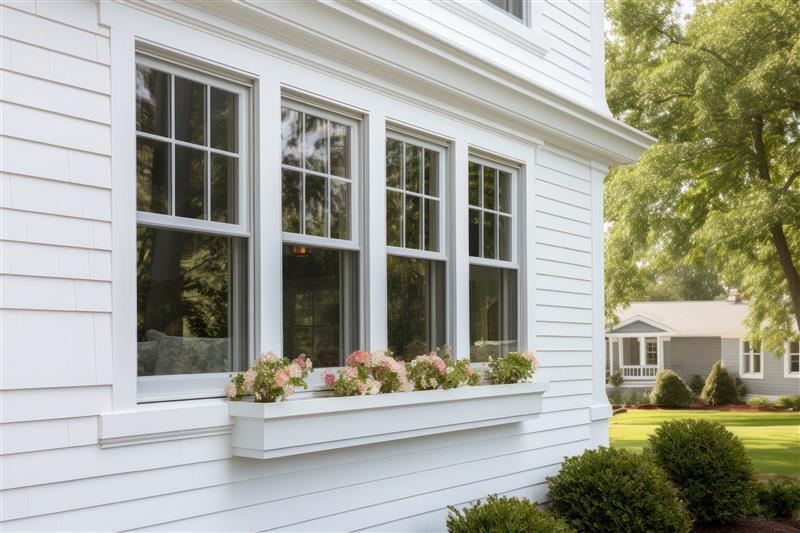
This is where Home Outlet steps up to help - our insulated, low-E windows and energy-efficient exterior doors are the perfect upgrades to your home if you are looking to control the temperature and lower your utility bill. This could be a DIY project, but if you don’t feel comfortable and need to hire a professional, this is a pretty simple upgrade to do. Fortunately, Home Outlet stocks a variety of sizes and styles in-store, so you can complete your project when you are ready. They can also special order items that may be more customized - all at the same low prices that you will find in the store.
Tip 3: Add Attic Insulation for Major Impact
Chances are, your attic is already well insulated. However, if you recently moved into your home and/or live in an older home, it’s worth checking. If not properly insulated, you have a huge opportunity to reduce your electric bill in the summer. Hot air typically settles in the attic, and without proper insulation, it will radiate down into your home. If you are installing batt or roll insulation, this may be something you can do on your own. Consider using a professional and opting for blown-in insulation for improved benefits to your home.
Tip 4: Upgrade to a Smart Thermostat
There are many brands on the market now that offer smart thermostat technology - making life a little more convenient and positively impacting your HVAC system. Smart technology allows you to control and even preset the temperature of your home according to the day and time of the week. You can make a schedule based on when you will or won’t be home, so that the HVAC unit isn’t working overtime to keep things cool when your house is empty. Many of the new systems offer smart features that learn your habits and preferred temperature inside your home. Control all of this with an app on your phone so that you can adjust the temperature as needed, from anywhere. Easy steps for setting up the new thermostat make this a DIY friendly project.
Tip 5: Make the Switch to LED Lighting
You may not think about it, but traditional light bulbs do give off heat. Even if the impact is not as significant as other options, swapping out incandescent light bulbs for Energy Star-rated LED lighting will help decrease your energy consumption. In addition, look for dimmable LED lights, motion sensor lights (ideal for rooms with less foot traffic), and smart lights that can be controlled by an app on your smartphone (the voice control is also a fun bonus).
Tip 6: Upgrade Flooring to Cool-Surface Flooring Materials
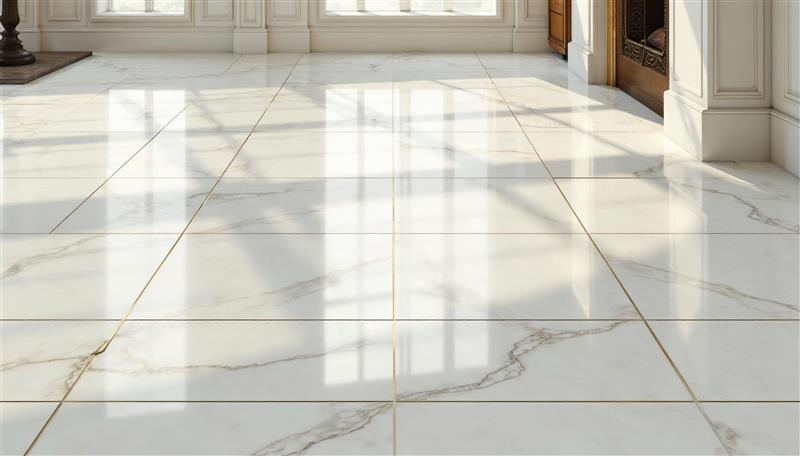
Many homeowners do not consider the type of flooring in their home when it comes to making the temperature more comfortable. We recommend avoiding carpet in areas of your home that receive a lot of direct sun exposure through large windows or exterior doors. Instead, opt for new flooring that will naturally stay cooler to the touch and help reflect heat. These include ceramic or porcelain tile, natural stone like travertine or slate, or even polished concrete. The use of strategically placed area rugs can make cooler flooring more appealing when the cooler temperatures roll around.
Tip 7: Check your Ceiling Fans
Many homeowners forget to change the direction of the ceiling fans in their homes as seasons change. While it may not prove to impact your energy efficiency dramatically, it can provide relief from the stifling temperatures. It is recommended to set ceiling fans to spin counterclockwise during the summer months. If you are replacing or installing a new ceiling fan, look for an Energy Star ® fan for optimal performance.
Tip 8: Create Shade Around Your Home
Cooling your entire home by creating shade that relieves direct sunlight can also help your home stay cooler inside and help your HVAC system be more efficient. Consider planting fast-growing trees on the south and west sides of your home for optimal shade coverage when it’s needed the most. You may not reap the benefits of this effort immediately, but it will pay off long-term.
Tip 9: Add Blackout or Light Blocking Window Treatments
Speaking of that hot, direct sunlight - if you can’t escape it, you may want to add blackout curtains or thermal blackout panels in the rooms with the sunniest windows. Windows are key areas of heat gain in your home, particularly in the afternoon sun. Keep your home cooler by selecting and hanging heat-blocking curtains that are designed to block both heat and harmful UV rays. In addition to lowering the temperature indoors, this can also prevent the visual impacts that sun exposure can have on your floors.
Tip 10: Install Low-Flow Showerheads and Faucets
While you won’t see any benefit to the temperature in your home, this is an important tip to include as it relates to the efficiency of your home. Water usage in the summer usually skyrockets, resulting in higher utility bills in the way of both water usage and the energy needed to heat the water. Consider a quick swap of your showerheads and faucets - many newer options reduce the amount of water used, without sacrificing the water pressure.
FAQs About How to Keep Your Home Cool & Energy Efficient
- What are the best DIY ways to lower my summer energy bill?
- Consider small upgrades like sealing air leaks around windows and doors, installing heat-blocking curtains, swapping bulbs for LED lights, or upgrading to a Smart Thermostat.
- Is it worth upgrading windows to be more energy-efficient?
- Home upgrades like replacing exterior doors and windows can make a huge impact on the energy efficiency in your home. Features like dual-pane insulated glass reduces thermal loss, while fusion-welded corners in frame and sash can provide strength and keep out air and water.
- Do blackout curtains really help with cooling a home?
- One of the biggest sources of heat in your home during the summer is the direct sunlight coming in through windows located in sunny spots. Blackout curtain panels help block heat from the sun and harmful UV rays from your home, reducing the temperature and the strain on your AC unit.
- Can the flooring in your home help keep it cool?
- While sometimes overlooked, the flooring in your home can either contribute to or reduce the temperature in your space, even if it’s merely a perception. Carpet, especially in sunny rooms, tends to hold on to the heat created from the sunlight. Flooring options like ceramic or porcelain feel cool to the touch and help to reflect heat.
Keeping Your Home Cool and Efficient in the Southern Heat
Hot temps aren’t inclusive to the south, but they can certainly be miserable! You want your home to be a cool spot to chill out and escape the heat - not make matters worse. If you are considering DIY upgrades that improve the efficiency in your home, there are many options for homeowners that help with overall home efficiency. The best part is that many of these upgrades are quick, easy, and cost less than other home improvements.
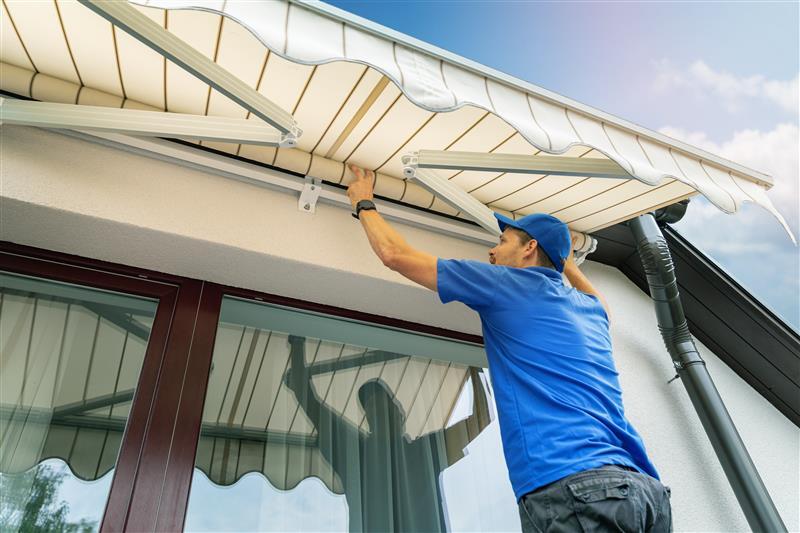
If you are searching for the best deals on exterior doors or energy-efficient windows for your home upgrade, search no further than Home Outlet. Our stores offer a great in-store selection, with quick access to special order items if you don’t find what you need. While you are there, you will be so pleased with the savings, you may want to throw in an LED Mirror or new bathroom fixtures.
Discover how the Home Outlet location near you can assist with your next home project today!
About the Author
With over 15 years of experience in marketing and sales, Danial R. specializes in crafting strategic content for both online and offline audiences, driving internal communications, and staying ahead of industry trends. For the past six years, she's focused on the building materials industry, attending national design shows annually to bring fresh insights and inspiration to her work. Having recently built her own home, she brings a hands-on perspective to home improvement projects and shares practical advice based on real-world experience. She holds a degree in Marketing Management and a Master of Science in Business Administration with an emphasis in Marketing, blending academic expertise with industry know-how to help homeowners and professionals achieve their goals.