

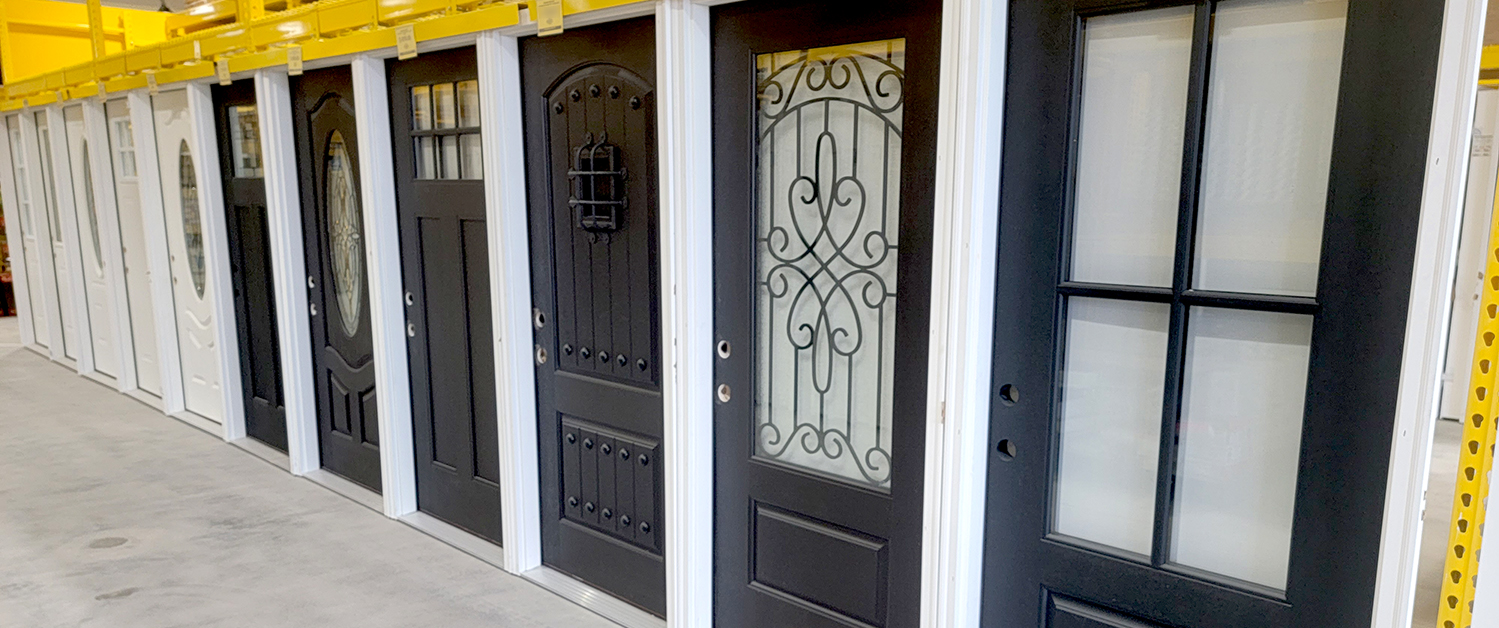
Choosing the Right Door for Your Home
Doors do more than open and close. They shape how your home looks, feels, and functions. Whether you're replacing a worn-out entry door or refreshing every room in the house, the right door can boost curb appeal, add a layer of security, and improve energy efficiency all at once.
Shop from our selection of in-stock doors available today, or explore special-order options through our Finer Doors program for a custom look at an affordable price.
Interior vs. Exterior Doors
Not all doors are built the same, and that's by design:
- Exterior doors are engineered to handle the demands of the outdoors. They're built to resist weather, temperature changes, and forced entry, making material and construction quality especially important. Common applications include front entry doors, back doors, and garage entry doors.
- Interior doors prioritize aesthetics, privacy, and sound control over weather resistance. They're typically lighter and available in a wider range of styles, from traditional panel designs to modern barn doors. You'll find them used for bedrooms, bathrooms, closets, and shared living spaces.
Knowing the difference helps you shop smarter and invest in the right product for the right place.
Popular Door Materials and Styles
Choosing a material comes down to your priorities, such as durability, appearance, maintenance, or all three.
- Fiberglass doors are one of the most versatile options available. They resist warping, cracking, and fading over time, and many are designed to mimic the look of real wood without the upkeep. A solid choice for exterior applications, especially in climates with high humidity or temperature extremes.
- Steel doors deliver reliable strength at a practical price point. They're a go-to for homeowners who prioritize security and low maintenance. Steel doors are typically pre-insulated, which helps improve energy efficiency.
- Wood doors bring warmth and character that's hard to replicate. They work beautifully as interior doors and can make a strong statement as an entry door. Keep in mind that wood requires more maintenance than fiberglass or steel, particularly in exterior applications.
- Decorative glass options, including full-lite, half-lite, and panel styles, let you control how much light passes through while adding visual interest to entry doors and interior French doors alike.
- Mini-blind doors are among our most popular exterior door options. Built with integrated blinds between the glass panes, they offer a clean look and easy control of light and privacy. No separate window treatments needed.
If you don't see exactly what you're looking for in our in-stock selection, additional styles and configurations are available through special order.
When to Replace a Door
Not sure if it's time for a new door? Here are a few clear signs to watch for:
- Drafts or air leaks around the door frame, which can drive up energy costs
- Visible damage such as cracks, warping, rot, or a door that no longer closes properly
- Outdated appearance that no longer reflects your home's style or curb appeal
- Security concerns, including an aging lock system or a door that doesn't seal tightly
If you're planning a replacement, getting your measurements right from the start saves time and prevents costly mistakes. Our guide on how to measure replacement doors walks you through the process step by step.
Frequently Asked Questions
What is the best material for a front door?
It depends on your priorities. Fiberglass is a popular choice for its durability, low maintenance, and energy efficiency. Steel offers strong security at a practical price. Wood provides a classic, high-end look but requires more upkeep. For most homeowners, fiberglass strikes the best balance between performance and appearance.
How do I know if I need a replacement door?
Common signs include drafts coming through the frame, difficulty opening or closing the door, visible damage or rot, and a door that no longer fits securely in its opening. If your door is also outdated or no longer matches your home's style, that's another good reason to start shopping.
Are fiberglass doors more energy efficient than wood doors?
Generally, yes. Fiberglass doors are typically manufactured with an insulated core and seal tightly against weatherstripping, which helps reduce heat transfer. Wood doors can be energy efficient when properly maintained and sealed, but they're more prone to warping over time, which can compromise the fit and cause air leaks.
