
All About Mobile Home Doors: Sizes, Differences & Replacement Tips
Posted by Home Outlet Staff on 16th Jul 2026
All About Mobile Home Doors: Sizes, Differences & Replacement Tips
Does your current door show visible signs of wear and tear? Or do you want to refresh your home's curb appeal? Upgrading your entryway is a rewarding DIY project that improves your daily comfort and energy efficiency.
However, shopping for mobile home doors is different from buying a door for a site-built house. Manufactured homes have specific structural requirements, so a standard exterior door may not fit correctly.
This guide walks you through what to know before you buy. You’ll learn what makes mobile home doors different, how to measure for the right fit, and what to expect during installation. Planning more updates around your home? Our free project guides can help you take the next step.
Key Takeaways:
- Mobile home doors have shallower jambs designed specifically for thinner manufactured home walls.
- Standard single-family home doors generally will not fit older manufactured homes without extensive, complex structural modifications.
- Measuring the rough opening, door width, height, and frame depth is critical before making a purchase.
- Many manufactured home exterior doors swing outward to maximize interior floor space.
What Is a Mobile Home Door?
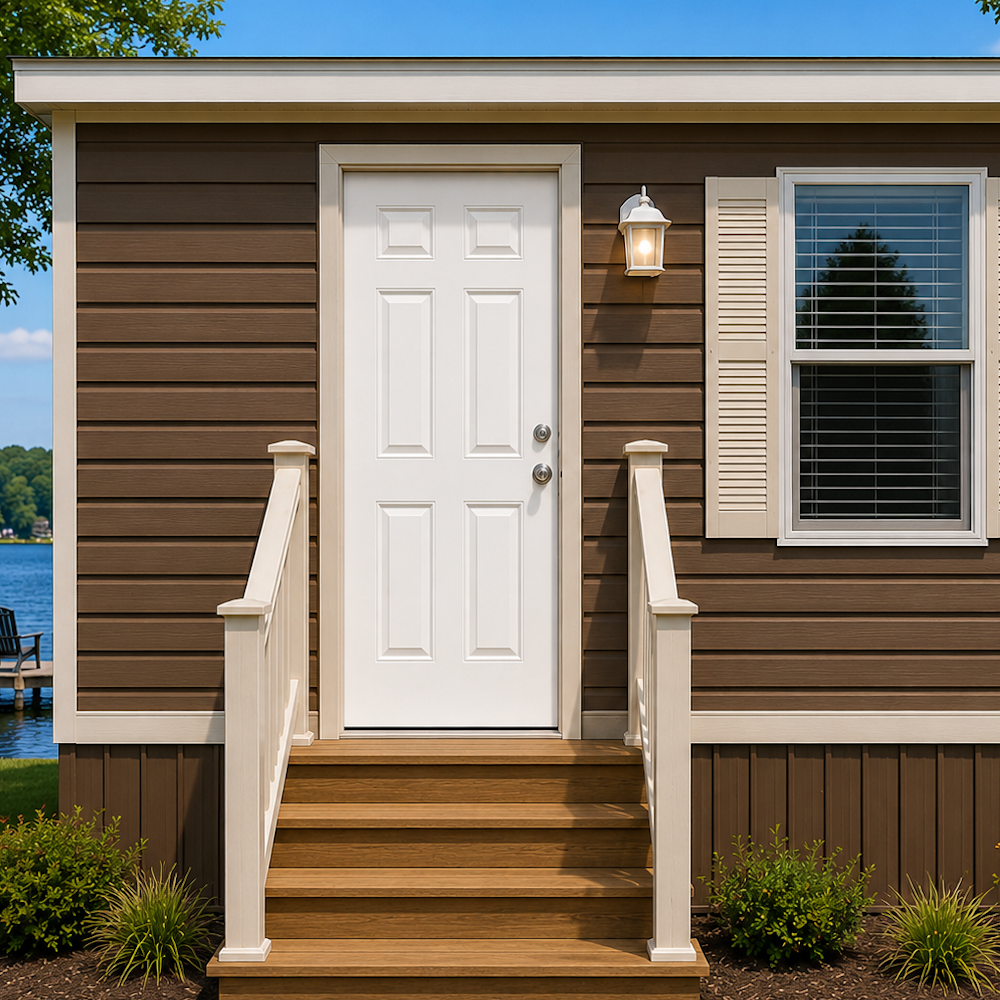
A mobile home door is an entry door made to fit the specific construction of mobile and manufactured homes. These doors are typically lighter than standard exterior doors, but they still offer the durability, security, and weather resistance you need for everyday use.
Because manufactured homes are built in climate-controlled facilities to specific HUD codes, their wall structures and door openings follow different standards than traditional site-built houses. Finding a door made specifically for this environment ensures a secure seal against the weather and long-lasting performance.
How Mobile Home Doors Are Different from Standard Exterior Doors
If you’ve ever tried to install a standard exterior door into a manufactured home, you know it’s not a simple swap. Mobile home doors and standard exterior doors use different dimensions and frame designs, and those differences can affect fit, trim, and weather sealing. Understanding these core structural differences can save you time and money.
Wall Thickness Differences
The biggest difference comes down to wall thickness. Traditional site-built homes usually use 2x4 or 2x6 wood studs. Older manufactured homes often use 2x3 wall studs to help reduce overall weight during transportation. As a result, mobile home walls are usually thinner than the walls in a standard residential house.
Frame Design Differences
Because manufactured home walls are thinner, the door frame must also be shallower. Mobile home doors use a jamb depth designed to fit manufactured home walls. A standard exterior door has a wider jamb, so it can stick out past the interior wall in a mobile home. That makes it harder to install trim correctly and harder to create a tight, weather-resistant seal.
Why Mobile Home Doors Won’t Fit Modern Single-Family Homes
The opposite problem can happen, too. A mobile home door has a jamb that’s too shallow for a standard single-family home wall. If you install one in a site-built house, the frame will sit too far back inside the rough opening. You would need to add custom extension jambs before you could attach the interior casing, which takes away one of the main benefits of buying a pre-hung door.
Common Mobile Home Door Sizes
Mobile home door sizes can vary depending on the age and make of your home, but they’re often slightly shorter and narrower than standard house doors. Some of the most common sizes include:
- 32" x 72": Typically found on older mobile homes, particularly for back doors or utility entrances.
- 32" x 74" and 34" x 74": Very common standard sizes for entryways on many models.
- 36" x 80": Found more frequently on newer manufactured homes that mimic site-built specifications.
Because sizes aren't universal, it’s important not to guess. Before you buy, measure carefully to avoid ordering the wrong door.
How to Measure a Mobile Home Door
Accurate measurements are the most important part of this project. Before you shop, grab a tape measure, a notepad, and a pen so you can write down each number as you go. Here’s how to measure a replacement door for your mobile home.
Step 1: Measure Door Width
Open your existing door. Measure the width of the door slab itself from the left edge to the right edge. Next, measure the width of the rough opening. To do that, you may need to carefully pry back the interior trim to see the wall studs. Measure from the inside of the left stud to the inside of the right stud.
Step 2: Measure Door Height
Measure the height of the door slab from the very bottom edge to the top edge. Then, measure the rough opening height by starting at the subfloor and pulling your tape measure up to the bottom of the top framing header.
Step 3: Measure Frame Depth
Next, measure the thickness of the door frame, also called the jamb depth. Place your tape measure at the interior edge of the frame and measure across to the exterior edge. This step confirms the wall thickness your new door needs to fit.
Step 4: Check Door Swing Direction
Stand outside your home and face the door. Note whether the hinges are on the left or the right side, and observe which way the door opens. Many manufactured home doors open outward to save valuable interior floor space. Buying a door with the incorrect swing direction can cause major installation problems.
Replacing a Mobile Home Door: What to Expect
Replacing a mobile home door is a manageable weekend DIY project when you have the right tools and a clear plan.
Removing the Existing Door
Start by removing the screws that hold the interior and exterior trim in place. Use a utility knife to cut through any old caulking around the exterior frame so you do not peel or damage the siding. After you remove the screws and break the sealant, gently tilt the old door frame out of the rough opening.
Installing a Replacement Mobile Home Door
Clean the rough opening well and inspect the subfloor for signs of water damage. Apply a high-quality sealant or putty tape around the exterior flange of the new door. Then carefully lift the new door assembly into the opening. Use a level to make sure the door sits plumb and square. Once everything lines up correctly, drive the mounting screws through the frame and into the wall studs, working around the perimeter.
Checking Seals, Weatherproofing, and Fit
A new door needs a strong weather seal to perform well. Apply a fresh bead of exterior caulk around the outside trim to help block moisture and drafts. Then open and close the door a few times to ensure the latch clicks securely and the weatherstripping compresses evenly.
Products That Pair Well with Mobile Home Door Projects
A new entryway gives you a great chance to update the surrounding details and create a more finished look.
Door Hardware and Locks
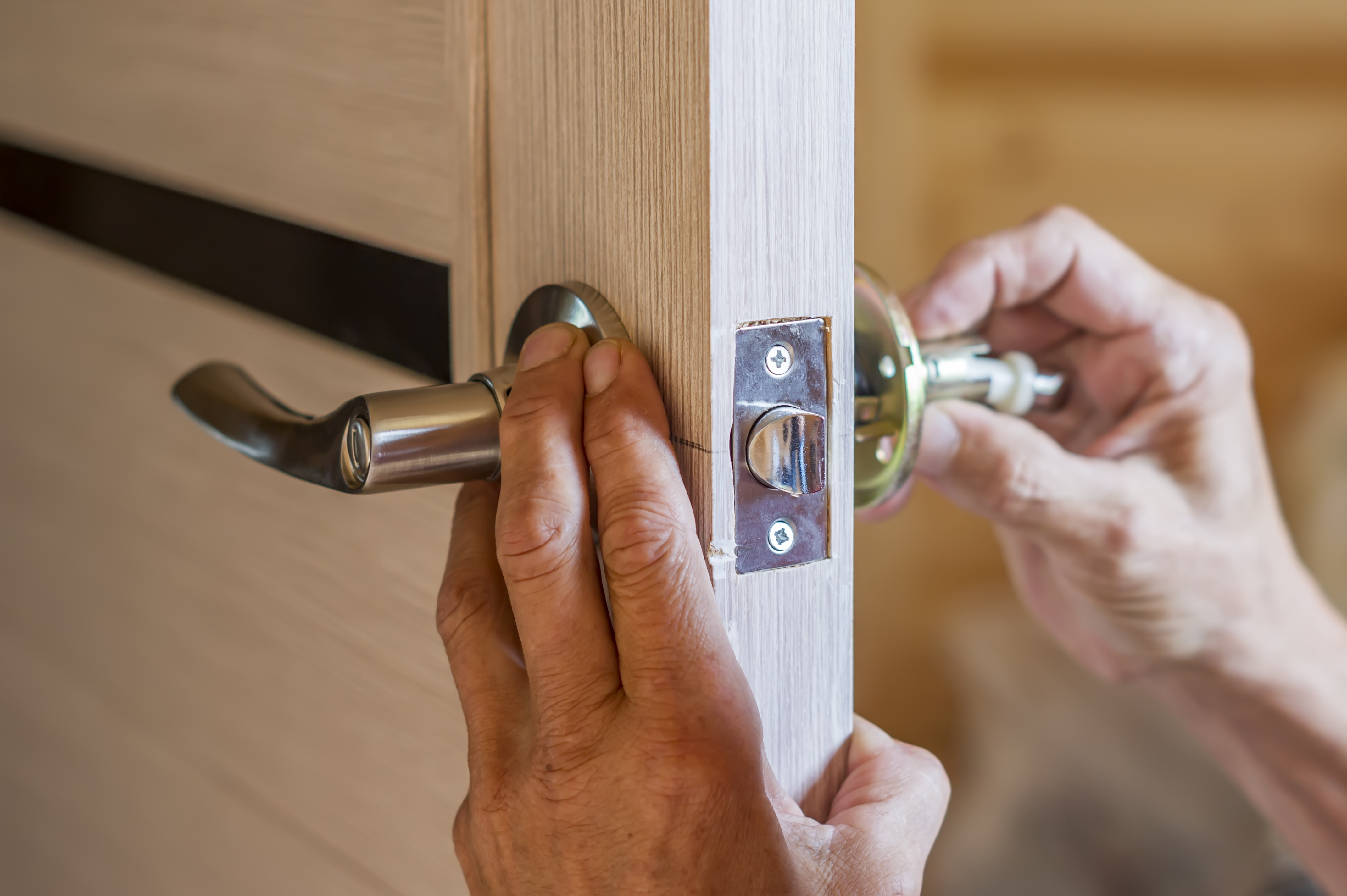
Your new door needs reliable hardware to match. Upgrading your deadbolt and handle can improve both security and style. You can also choose finishes and designs that work with your home’s look by exploring our selection of door knobs and locks.
Storm Doors for Added Protection
A storm door adds another layer of protection against harsh weather. It can also help improve insulation while letting you open your main door for more natural light and fresh air without inviting insects inside.
Durable Flooring Options Near Entryways (LVP)
Entryways experience heavy foot traffic, dirt, and moisture. If your current entryway floor is looking tired, luxury vinyl plank (LVP) is an incredibly durable, water-resistant solution. If you want to tackle a flooring upgrade alongside your door replacement, our guide on how to lay vinyl plank flooring can help you achieve long-lasting results.
Frequently Asked Questions
Let’s take a look at some frequently asked questions about mobile home doors.
Can I install a standard house door in a manufactured home?
Generally, no. Standard house doors require wider jambs for thicker walls and are usually taller than manufactured home openings. Modifying the wall framing to accept a standard door is highly labor-intensive.
Do all mobile home doors open outward?
While many open outward to maximize interior space and improve resistance against high winds, some newer models feature inward-swinging doors. Always check your current door's swing direction before purchasing a replacement.
Can I customize my mobile home door?
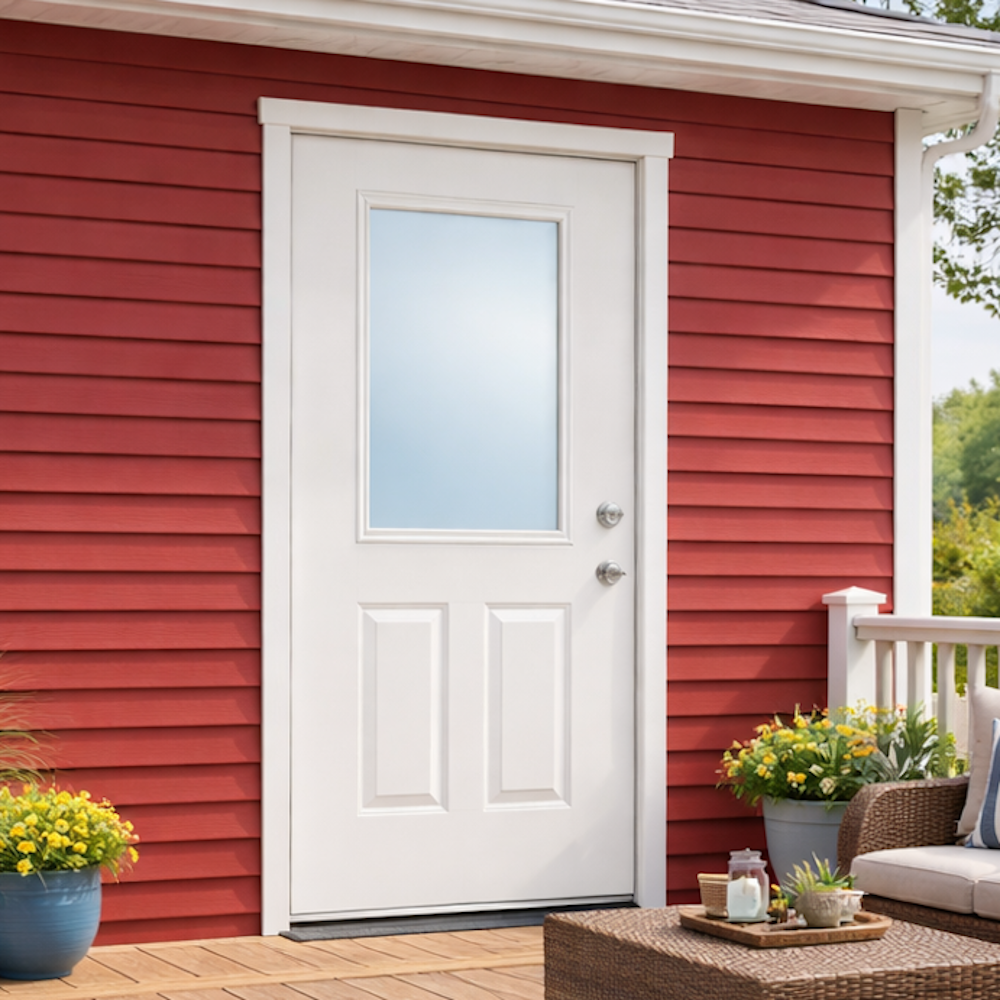
Yes! We carry several styles to match your taste, including options with and without windows. Each door can be stained for a natural wood look or painted to perfectly complement your home's color scheme.
Finding the Right Door for Your Mobile Home
Replacing your entry door is a practical way to improve energy efficiency, add security, and refresh the look of your manufactured home. When you take careful measurements and choose a door made for your home’s specific framing, you set yourself up for a smoother installation and longer-lasting results.
Ready to update your entryway? Start your project today.
