

How To Calculate Square Feet
Posted by Home Outlet Staff on 16th Jul 2026
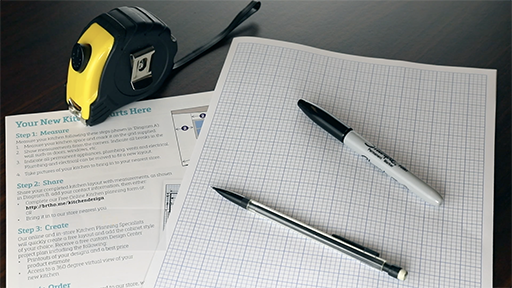
How to Calculate Square Feet for Flooring, Countertops, and More
Starting a home renovation is exciting, but estimating material needs can feel tricky. You need enough product to finish the job without overspending on leftovers. Accurate measurements help you stay on budget from the start.
If you’re planning a room update, you need to know how to calculate square feet. This simple math lets you order the right amount of materials for your floors, walls, and surfaces. You can also visit our Project Planning Center for more helpful resources before you begin.
Below, we cover the most straightforward ways to measure your spaces and estimate your materials with confidence.
Key Takeaways
- Flooring: Length × Width of the room
- Countertops: Length × Depth of each section
- Tile: Length × Width of the wall or floor area
- Always add 10–15% extra material for waste and cuts.
What Is Square Footage and Why Does It Matter?
Square footage is a measurement of two-dimensional space. It tells you exactly how much surface area you need to cover with a specific material.
Knowing this number helps you make the most of your remodeling budget. If you order too little, you may need to pause your project and risk mismatched dye lots. If you order too much, you may spend money you could use for other upgrades. Accurate measurements help you stay in control of your renovation from start to finish.
The Basic Formula for Calculating Square Feet
You don’t need complex math skills to get this right. A standard calculator or a smartphone app works perfectly. To find the square footage of any rectangular space, simply multiply the length by the width.
Length × Width = Square Footage
You will use this basic equation for almost every surface in your home.
How to Calculate Square Feet for Flooring
Knowing how to calculate square feet for flooring helps you buy the right amount of vinyl plank, laminate, or carpet.
Measuring Room Length and Width
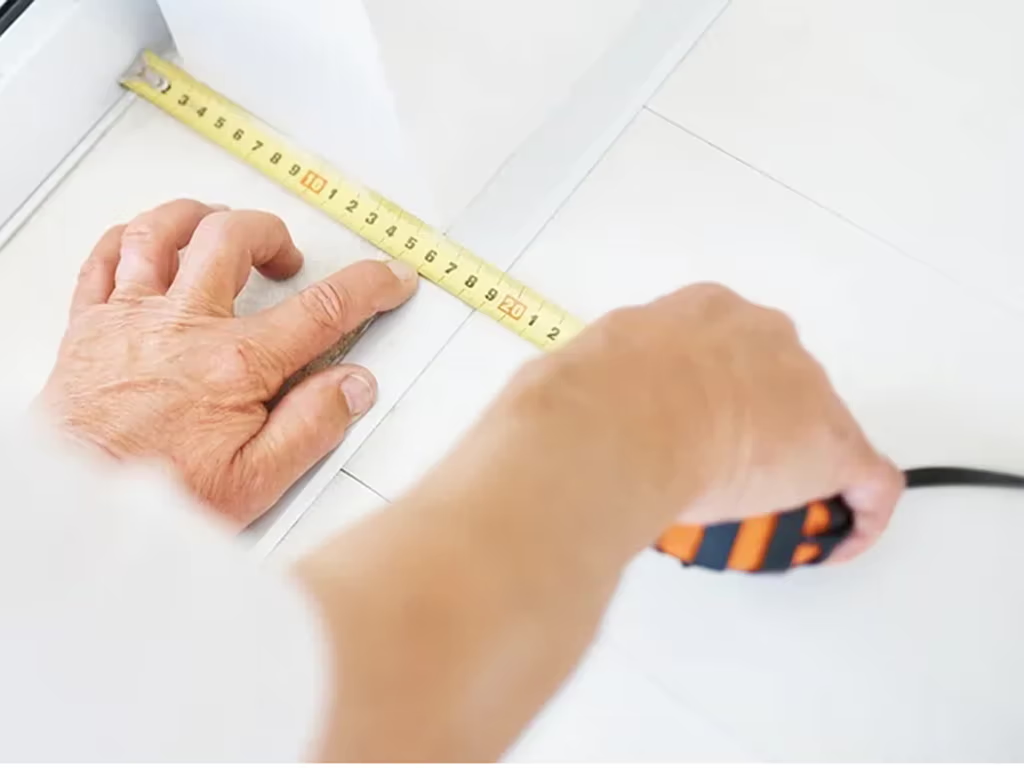
Start by grabbing your tape measure. Measure the longest wall in the room to find the length, and then measure the shorter wall to find the width. Multiply those two numbers together.
For example, if you're updating a bathroom floor that measures 10 feet long by 8 feet wide, your calculation looks like this:
- 10 ft × 8 ft = 80 square feet
If you’re incorporating tile into your design, the same rule applies. Find the length and width of the floor or wall area to calculate the total square footage for your tile project.
Adding Extra Material for Waste
Mistakes happen, and awkward room angles require special cuts. Adding 10–15% extra material is common practice to account for waste.
Take your total square footage and multiply it by 1.10 (for 10%) or 1.15 (for 15%). For that 80-square-foot bathroom, you would need an additional 8 to 12 square feet. This gives you a safe buffer and leaves you with a few spare planks or tiles for future repairs. You can then shop our flooring and tile selection with an accurate number in hand.
How to Calculate Square Feet for Countertops
When you update your kitchen, knowing how to calculate countertop square footage helps you compare prices more effectively.
Measuring Countertop Sections
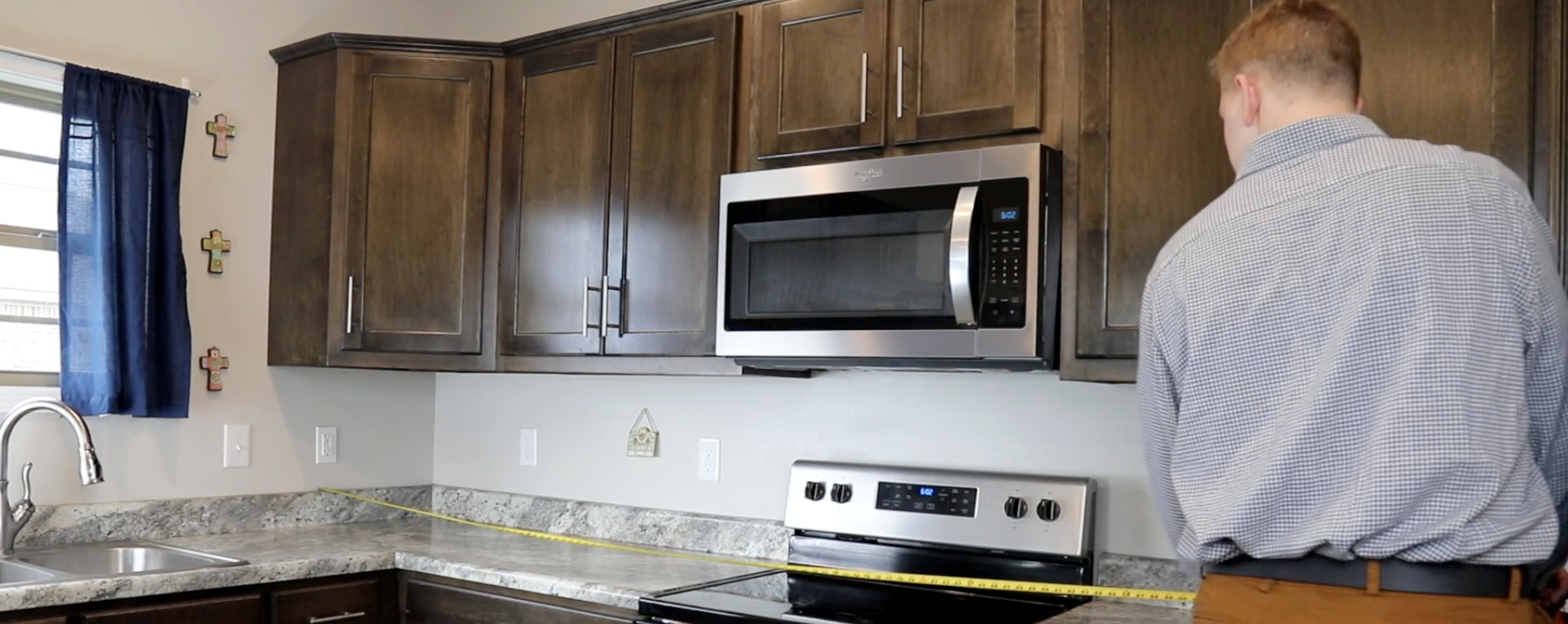
Instead of measuring the entire room, you only measure the surfaces where the counters will sit. Multiply the length of the countertop by its depth.
For instance, a standard kitchen counter section might be 6 feet long and 2 feet deep.
- 6 ft × 2 ft = 12 square feet
If your kitchen has multiple sections, measure each one individually, calculate its square footage, and add them all together. If you need help picking the best material for your space, read our guide to choosing the right countertop.
Calculating Irregular Spaces
Kitchens often feature islands, L-shapes, or angled corners. Break these irregular spaces down into smaller, manageable rectangles. Measure the length and depth of each smaller rectangle, calculate their individual square footage, and sum them up.
If you need a second set of eyes on a tricky layout, submit your measurements for a free kitchen plan. Our designers will help you map out your kitchen countertops and cabinets perfectly.
Tips for Accurate Measurements
Consider these tips to help you get accurate measurements:
- Round up: Always round up to the nearest inch or foot to avoid coming up short.
- Double-check your numbers: Measure everything twice to ensure accuracy before placing an order.
- Include vertical spaces: If you’re adding a backsplash, measure the wall space between the counter and the upper cabinets. Check out our backsplash installation tips for more guidance.
- Watch the pros: Visit The How-To Hub for helpful videos on measuring and installing products correctly.
Start Your Project with the Right Materials
Now that you know how to calculate square footage, explore Home Outlet’s selection of flooring, countertops, and tile to find the right materials for your renovation.
