

How to Choose Kitchen Cabinets for Your Budget & Lifestyle
Posted by Home Outlet Staff on 13th Oct 2026
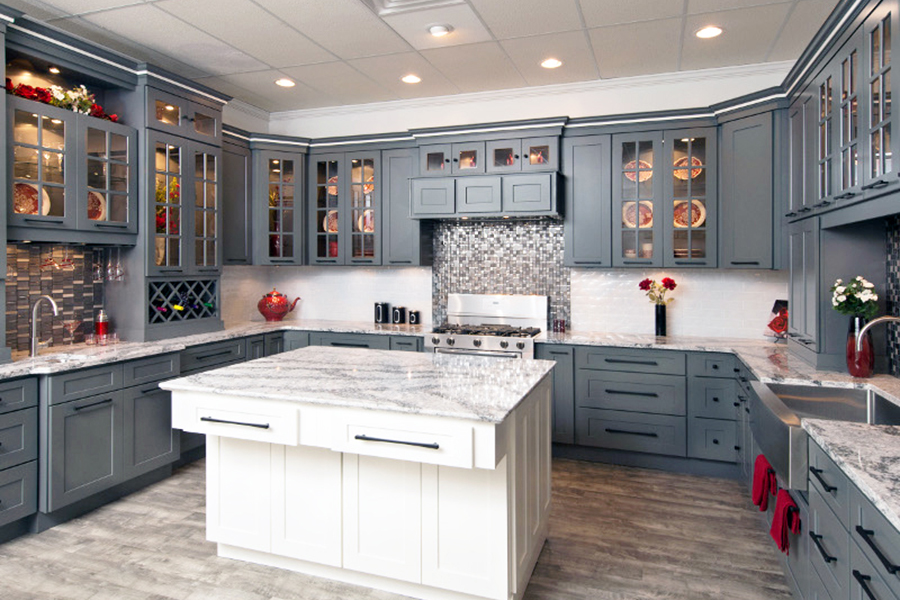 H1: How to Choose the Right Kitchen Cabinets for Your Budget and Lifestyle
New cabinets can completely change how your kitchen looks and functions, but choosing the right ones takes more than picking a color you like. Your cabinets need to withstand daily use, meet your storage needs, and fit your budget, all while looking good for years to come.
That's a lot to balance. Between construction materials, cabinet types, and style options, it's easy to feel stuck before you even start comparing products.
This guide walks you through how to choose kitchen cabinets, from setting your budget to picking a style that fits your home. You can also explore Home Outlet's kitchen cabinet options as you read to see what's available at different price points.
Start With Your Kitchen Cabinet Budget

Before you fall in love with a specific cabinet style, take a step back and look at your total kitchen remodel budget. Cabinets can account for a big portion of a kitchen remodel, so it helps to know how much you can spend on cabinetry before you get into countertops, flooring, and appliances.
Instead of shopping solely by the lowest sticker price, think about which cabinet features matter most for your project. Your budget may need to account for cabinet construction, storage features, delivery, assembly, installation, and finishing work, depending on the type of cabinets you choose.
Ask yourself these questions as you set your budget:
- What's my total remodel budget, and how much of it can reasonably go toward cabinets?
- How long do I plan to keep these cabinets?
- Will this kitchen see heavy daily use, or lighter, occasional use?
- Am I willing to spend more upfront for features like soft-close drawers or better materials?
- Will I need professional installation, or am I comfortable with DIY assembly?
Home Outlet offers cabinet options at a range of price points, so you can find a fit for your specific budget without sacrificing quality or style.
Think About How You Use Your Kitchen
The best kitchen cabinets for one household may not be the right choice for another. Before comparing products, think about what your kitchen has to handle every day.
- Busy families and high-use kitchens: Look for durable construction, dependable hinges and drawer slides, and storage that can handle frequent use. Soft-close hardware can add convenience and help reduce slamming.
- DIY remodelers: If you're comfortable assembling cabinets yourself, ready-to-assemble (RTA) options can help stretch your budget further.
- Rental or investment properties: Cost-effective, low-maintenance cabinets often make the most sense when you're prioritizing value over customization.
- Long-term or "forever" homes: If you plan to stay put for years, it may be worth prioritizing durability and timeless style over the lowest upfront cost.
- Households that need more storage: Growing families or avid home cooks might prioritize pull-out shelves, deep drawers, or pantry cabinets over other features.
Making these decisions first can keep you from choosing cabinets based on appearance and realizing later that they don’t work as well as you hoped.
Compare Kitchen Cabinet Construction and Quality
When comparing kitchen cabinet materials, look at the cabinet as a complete product. Cabinet construction affects how well your cabinets hold up over time, but no single material or feature works best for every kitchen.
Here are the key features to compare:
- Cabinet box materials: Cabinet boxes are commonly made from plywood or particleboard. Both can perform well depending on the product's construction and intended use.
- Plywood vs. particleboard: Plywood generally offers more strength and moisture resistance, while particleboard is typically more budget-friendly. Neither is automatically the right choice for every shopper. It depends on your budget, expected use, and the specific product's construction quality.
- Hardware: Hinges, drawer slides, and other hardware affect how smoothly cabinets function over time. Features like soft-close mechanisms can add convenience.
- Finished ends: Cabinets with finished end panels look more polished where the side of the cabinet will be visible, such as at the end of a run or on an island.
- Durability and moisture considerations: Kitchens see spills, steam, and daily traffic, so check product specifications for how a cabinet line is designed to hold up.
For a deeper dive into how cabinet quality tiers compare, check out our Good, Better, Best cabinet guide.
Choose the Right Cabinet Type for Your Project
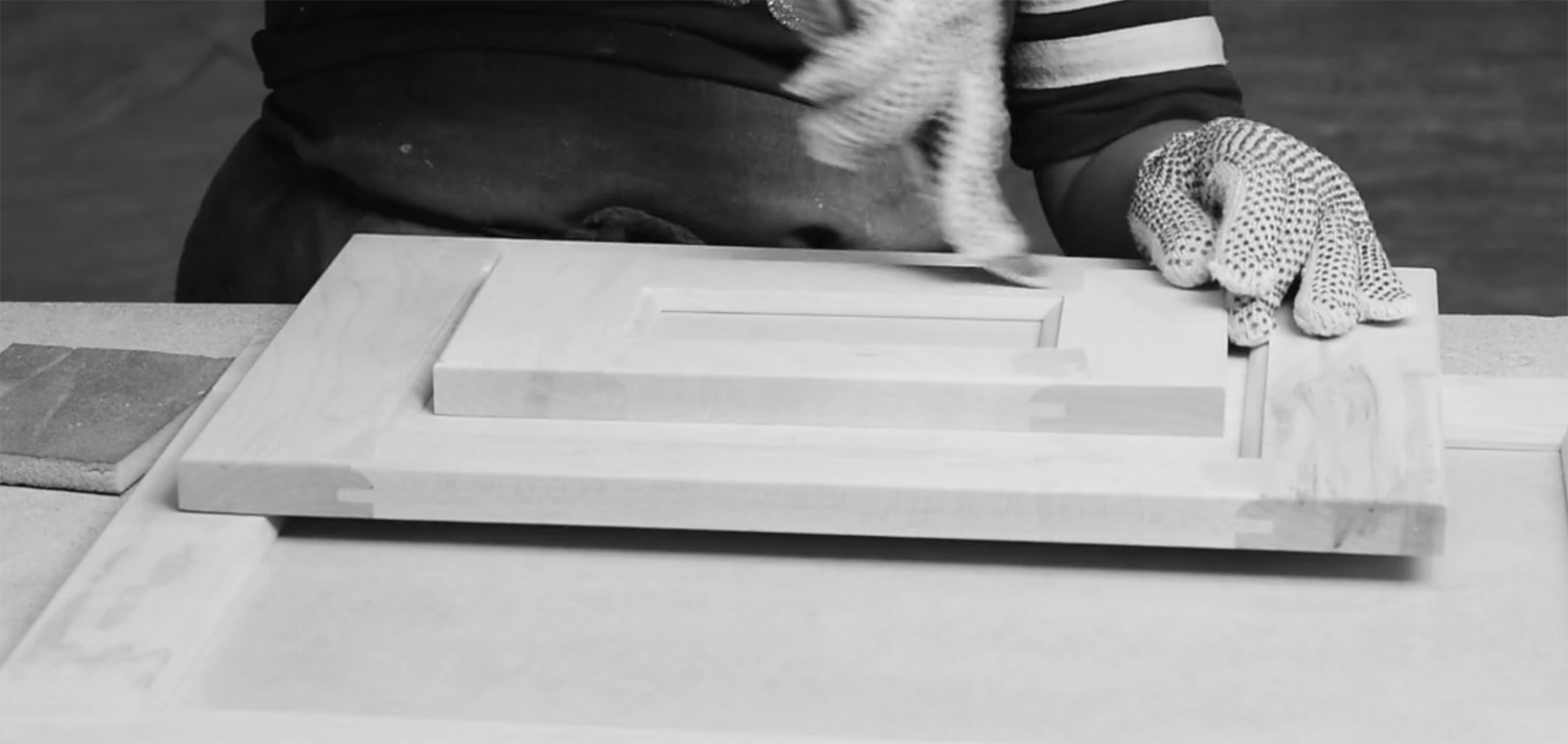
The types of kitchen cabinets you consider can affect your budget, project schedule, and how much work you need to do before installation.
- RTA kitchen cabinets: Ready-to-assemble (RTA) cabinets arrive flat-packed and are assembled on-site. They’re budget-friendly and work well for confident DIYers with time to spare.
- Assembled kitchen cabinets: These arrive ready to install, which can save time if you'd rather skip the assembly step. They may cost more than RTA options, but they reduce the labor you'll need to do yourself.
- Unfinished kitchen cabinets: Unfinished cabinets are sold without stain, paint, or a protective topcoat, giving you full control over the final color and finish. They can be a cost-effective way to get a custom look, especially for DIYers comfortable with painting or staining.
- Special-order options: Some projects require sizes or finishes beyond standard in-stock offerings. Special-order cabinets can fill those gaps, though they typically take longer to arrive.
When choosing between these options, think about your budget, timeline, DIY comfort level, and how much customization you want. If you want more detail on the differences between RTA and assembled cabinets, check out our kitchen cabinet buying guide.
Find a Cabinet Style That Fits Your Home
Once you know what your cabinets need to do, you can focus on kitchen cabinet styles.
A few popular options include:
- Shaker cabinets: Known for their clean lines and recessed panel doors, shaker cabinets are a versatile option that fits both traditional and modern kitchens.
- Slim shaker cabinets: A variation on the classic shaker look, slim shaker styles feature a narrower frame for a more streamlined, contemporary appearance.
- Flat-panel doors: Also called slab doors, flat-panel styles offer a sleek, minimalist look that suits modern and contemporary kitchens.
- Raised-panel doors: Featuring a center panel that sits above the frame, raised-panel styles deliver a classic, detailed appearance well-suited to traditional kitchens.
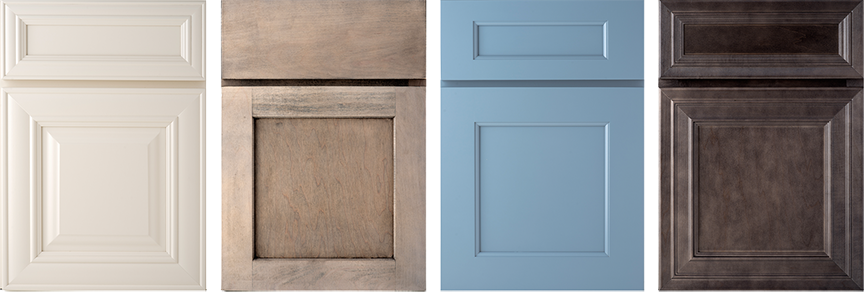
Color and finish matter too. Popular choices include white, gray, and natural wood tones, but the right color depends on your existing countertops, flooring, and overall design goals. When possible, bring home samples or swatches to see how a cabinet color looks in your space's actual lighting before committing.
Don't Forget Kitchen Layout and Storage
Even the right cabinet style can fall short if the layout doesn’t work.
Start with accurate room measurements, including doors, windows, appliances, plumbing locations, and other features that may affect cabinet placement. Then think through how you move through the kitchen and where you use everyday items.
Ask yourself:
- Do you have enough drawer space?
- Where will pots, pans, and small appliances go?
- Do frequently used items have convenient storage?
- Can cabinet doors and drawers open without interfering with other features?
- Does the layout support how you prepare, cook, and clean up after meals?
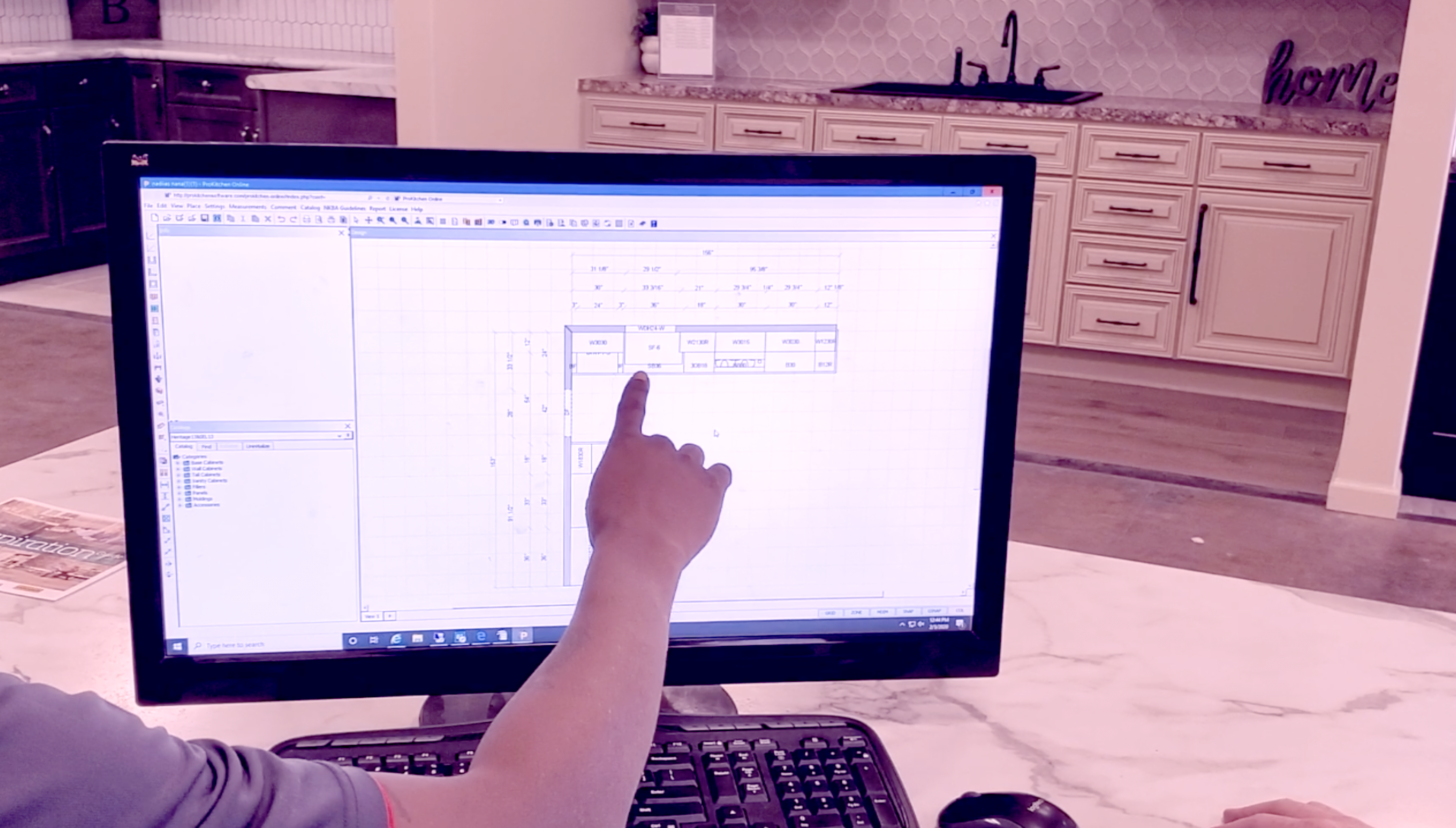
Home Outlet offers free kitchen planning resources to help you plan your layout, submit measurements, and receive a personalized 3D plan, product list, and estimate for your project. Whether you visit a store in person or start online, the Home Outlet team can help you compare cabinets that fit your budget, storage needs, and design goals.
Plan Your Kitchen with Home Outlet
Choosing kitchen cabinets involves a lot of moving parts, but you don't have to sort through it all on your own. Home Outlet’s kitchen design team can help you compare cabinet options at different price points, whether you’re just starting to explore ideas or ready to finalize your order.
Explore Home Outlet's kitchen cabinet options and use our free kitchen planning resources to find the right fit for your style, budget, and project.
Frequently Asked Questions
What should I look for when buying kitchen cabinets?
Look for cabinets that fit your budget, construction quality needs, storage requirements, and style preferences. Beyond that, consider durability, maintenance expectations, and how the cabinets will hold up to your specific project and household needs.
How much of my kitchen remodel budget should go toward cabinets?
There's no universal percentage that works for every remodel. Instead, look at your entire project scope, including countertops, flooring, and labor, and prioritize spending according to what matters most for your kitchen.
What type of kitchen cabinet is best for a DIY remodel?
The right option depends on your DIY experience, available time, tools, and comfort with finishing work. RTA cabinets tend to appeal to hands-on DIYers, while assembled or unfinished cabinets may suit different skill levels and timelines.
Are plywood kitchen cabinets better than particleboard?
Plywood typically offers stronger screw-holding performance and better tolerance of incidental moisture, while particleboard is often more budget-friendly. However, material is only one part of the overall cabinet quality. Compare cabinet-box construction, panel thickness, edge sealing, hardware, shelf support, warranty coverage, expected use, and proximity to plumbing before deciding which option is right for your kitchen.
How do I choose a kitchen cabinet style?
Consider your home's overall design, your preferred colors and finishes, how much maintenance you're willing to do, and how long you expect to keep the look. The right style balances your personal taste with the rest of your kitchen.
