
Hybrid Flooring vs Vinyl Plank: What’s the Difference?
Posted by Home Outlet Staff on 16th Jul 2026
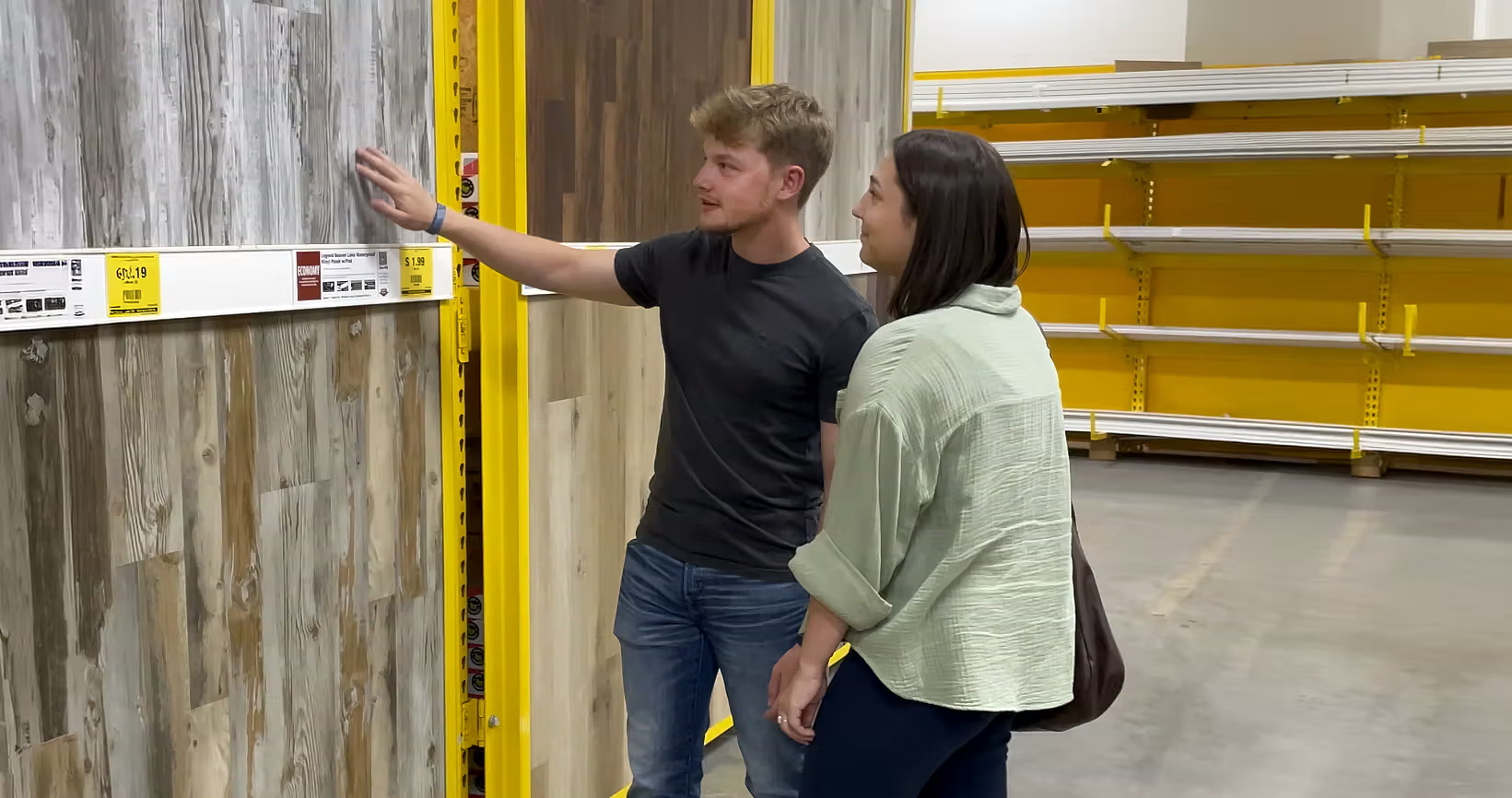
Hybrid Flooring vs. Vinyl Plank: What’s the Difference?
New flooring can completely change the look and feel of your space. But with so many options on the market, choosing the right one for your home can feel overwhelming.
It’s common to compare vinyl vs. hybrid flooring. Both options give you the look of hardwood and the durability many busy homes need. Their biggest differences come down to construction, moisture resistance, and where each one performs best.
This guide breaks down those differences so you can compare your options and choose the right flooring for your project.
Key Takeaways
- Hybrid is fully waterproof and ideal for high-traffic or wet areas.
- Vinyl plank offers comfort and is budget-friendly; both are water-resistant.
- Laminate is best for dry, low-traffic areas due to its scratch resistance.
- Choose based on room needs, traffic, and budget.
What Is Hybrid Flooring?
Hybrid flooring blends features from various flooring types into a single durable product. It combines the look and easy care of vinyl with the strength and stability homeowners often want in busy spaces. Most hybrid planks use a rigid core made from stone plastic composite (SPC) or wood plastic composite (WPC).
That rigid core helps hybrid flooring hold its shape when temperatures change. It also makes the floor more durable and fully waterproof, which is why many homeowners choose it for kitchens, bathrooms, and other high-use areas.
What Is Vinyl Plank Flooring?
Often called luxury vinyl plank (LVP), vinyl plank flooring is a resilient material made primarily of polyvinyl chloride (PVC). It’s designed with a flexible core that feels slightly softer underfoot compared to rigid flooring.
Vinyl plank is highly water-resistant, easy to clean, and budget-friendly. Because it’s flexible and forgiving, it’s a favorite among DIYers and contractors alike.
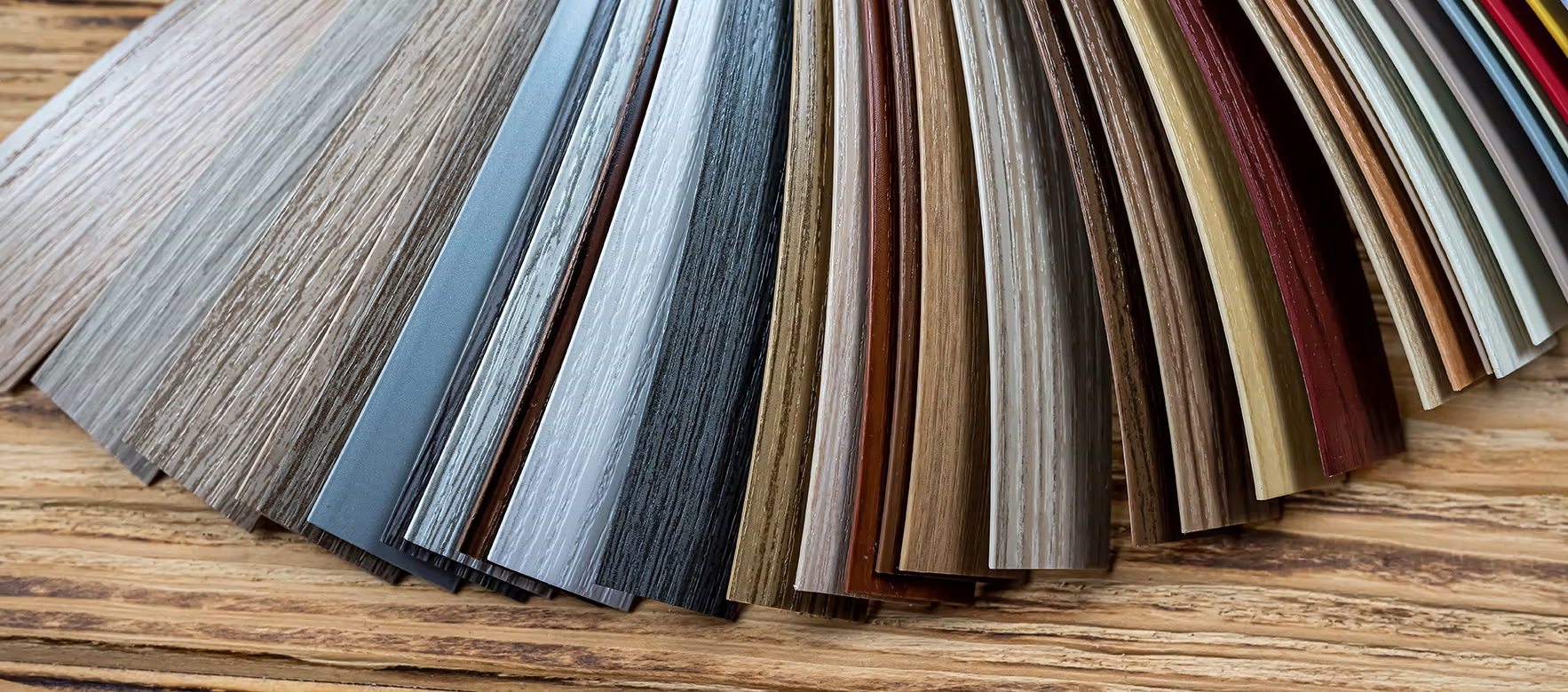
How Hybrid Flooring Is Different from Vinyl Plank
When comparing hybrid flooring vs. LVP, the main distinctions come down to how they’re built and how they perform under heavy use.
Core Construction
The core is a key difference between these two flooring types. Vinyl plank uses a flexible PVC core, which gives it a softer, more cushioned feel underfoot. Hybrid flooring uses a rigid stone or wood composite core instead. That solid core makes hybrid planks thicker and more stable overall.
Durability and Scratch Resistance
Both options feature protective wear layers, but their durability profiles differ. Because of its rigid core, hybrid flooring is highly resistant to heavy impacts and dents from large furniture. Vinyl plank is also durable, but can be more susceptible to denting under heavy, sharp objects. Proper subfloor preparation is essential for both.
You can learn more about this in our guide on how to lay vinyl plank flooring and prep for longevity.
Water Resistance
Both flooring types handle moisture well. Vinyl plank offers strong water resistance, which makes it a practical choice for many rooms. Hybrid flooring is fully waterproof. Its composite core will not swell or warp when it faces standing water or high humidity.
Hybrid Flooring vs. Laminate: How They Compare
As you research your options, you might also ask, “What is laminate flooring?” Traditional laminate flooring uses tightly compressed wood fiber topped with a printed image layer and a clear wear layer. It can offer strong scratch resistance, but standard laminate is usually water-resistant rather than fully waterproof.
When comparing hybrid flooring to laminate, moisture resistance is one of the biggest differences. Hybrid flooring uses a stone or plastic composite core instead of a wood-based core, so it handles spills, humidity, and everyday moisture more effectively than traditional laminate.
The comparison is similar when you look at vinyl flooring vs. laminate. Vinyl flooring usually provides better water resistance, while laminate flooring can offer strong scratch resistance in dry areas.
Ultimately, the difference between laminate and hybrid flooring comes down to performance. Hybrid flooring gives you the sturdy feel many homeowners like in laminate, along with the waterproofing that makes vinyl a popular choice.
Where Each Flooring Type Works Best
Understanding how these materials perform will help you place them in the right rooms.
Kitchens and Bathrooms
Because these areas see frequent spills and humidity, water resistance is your top priority. Both hybrid and vinyl plank flooring are excellent choices here. Hybrid provides maximum peace of mind against water damage, while vinyl offers a budget-friendly waterproof surface.
Living Areas and Bedrooms
Comfort and aesthetics matter most in spaces where you relax. Vinyl plank is slightly softer underfoot, making it comfortable for living rooms. Laminate is also a popular choice for bedrooms due to its warm, realistic wood textures.
High-Traffic Spaces
For entryways, hallways, and homes with large pets, durability is key. Hybrid flooring wins in these areas because its rigid core resists dents, and its wear layer holds up well under heavy foot traffic.
Choosing the Right Flooring for Your Project

Your final decision depends on your home’s specific needs, your budget, and the level of foot traffic in your space. Hybrid flooring offers unmatched stability and dent resistance, vinyl plank delivers flexible comfort and value, and laminate provides classic durability for dry areas. For even more detailed tips on selecting the perfect material, check out our savvy buyer's guide to flooring.
Ready to get your project started? Explore Home Outlet’s flooring selections to find the right material for your next renovation.
