

Kitchen Cabinet Buying Guide: Types, Sizes, Styles & Budget
Posted by Home Outlet Staff on 13th Oct 2026

H1: Kitchen Cabinet Buying Guide
Key takeaways:
- Start with a clear budget, accurate measurements, a workable layout, and a plan for storage before you start shopping for cabinets.
- Compare cabinet types based on cost, customization, lead time, assembly needs, and how well each option fits your project.
- Look beyond style and price by evaluating cabinet construction, materials, hardware, included features, and overall value.
- Choose cabinet sizes, finishes, and storage features around how you use your kitchen, then review the full design before ordering.
One of the most impactful changes you can make to your home is updating your kitchen cabinets.
But your cabinet remodel is so much more than just painting them. If you want to get the most out of your kitchen, you should explore more creative ways to breathe new life into this central part of your home.
Before you start shopping, here's what matters most: your budget, your kitchen's measurements and layout, the cabinet construction and materials, the style and finish you want, how you plan to use your storage, and whether you'll need help with assembly or installation. We'll walk through each of these so you can shop kitchen cabinet options with confidence.
What You Need to Know Before Buying Kitchen Cabinets
Before exploring the various options, laying the groundwork for a smooth and successful kitchen remodel is essential.
Budget Considerations
Setting a realistic budget is the first step in your kitchen cabinet buying guide. Consider costs for the cabinets themselves, as well as installation and potential modifications.
- Budget Ranges: Cabinets can range from affordable in-stock options to high-end custom designs. Understanding these ranges will help you plan accordingly.
- Hidden Costs: Don't forget to factor in the costs of hardware, accessories, and any additional labor that may be needed.

Timeline
The type of cabinet you choose will affect your kitchen remodel timeline. Here’s what you can expect in terms of timing for each cabinet style:
- Stock Cabinets: Typically available immediately or within a few weeks.
- Semi-Custom Cabinets: Usually require a few weeks to a couple of months.
- Custom Cabinets: These may take several months to manufacture and deliver.
Understand the Different Kitchen Cabinet Types
Let’s look at some of the different kitchen cabinet types to help you decide what’s best for your space.
Stock Cabinets
Stock cabinets might be your go-to choice if you're looking to transform your kitchen quickly and on a budget. They're perfect for rental properties or first-time homeowners wanting a fresh look without breaking the bank.
Pros:
- Affordable: Stock cabinets are the most budget-friendly option. They are produced in large quantities, which reduces manufacturing costs.
- Quick Delivery: Because they are pre-made, stock cabinets are typically available for immediate purchase and can be delivered quickly, which is perfect if you're working with a tight timeline.
Cons:
- Limited Styles and Sizes: The main drawback is the limited variety. Stock cabinets come in set sizes, styles, and finishes, which may not suit all kitchen layouts or personal tastes.
- Quality Variations: While some high-quality stock cabinets exist, they may generally lack the same durability and craftsmanship as semi-custom or custom options.
Semi-Custom Cabinets
Semi-custom cabinets strike a balance between affordability and personalization. They're ideal for homeowners who want a unique look without the premium price of custom cabinets.
Pros:
- More Variety and Flexibility: Semi-custom cabinets offer a middle ground between stock and custom cabinets. They allow you to modify dimensions, choose from a broader range of finishes, and add special features like pull-out shelves or glass fronts.
- Better Fit and Function: With semi-custom cabinets, you can better tailor the storage solutions to fit your kitchen's specific needs, maximizing space and efficiency.
Cons:
- Higher Cost: With increased customization comes a higher price tag. Semi-custom cabinets are more expensive than stock cabinets but less costly than fully custom ones.
- Longer Wait Times: These cabinets are made to order, so you'll need to plan for a longer lead time, typically several weeks to a few months, depending on the complexity of your order.
Custom Cabinets
Custom cabinets are for those who want nothing less than perfection. If you have a specific vision and a budget to match, custom cabinets will provide the ultimate kitchen transformation.
Pros:
- Unlimited Options and Perfect Fit: The sky's the limit with custom cabinets. You can choose any material, style, finish, and size to match your exact vision. Custom cabinets are built to fit your kitchen perfectly, including unconventional layouts or unique storage needs.
- Superior Craftsmanship: Custom cabinets are often crafted by skilled artisans, ensuring high-quality construction and attention to detail. This leads to a more durable and aesthetically pleasing product.
Cons:
- Highest Cost: Custom cabinets are the most expensive option. The bespoke nature of these cabinets means higher costs for materials and labor.
- Longest Lead Times: Because they are made to your exact specifications, custom cabinets take the longest to produce and deliver. The process can take several months, from design to installation.
RTA Cabinets
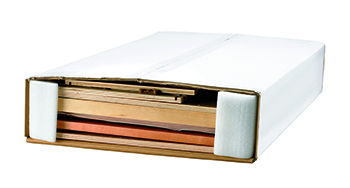
Ready-to-assemble (RTA) cabinets ship flat and must be assembled before installation, either by the homeowner or a professional. They're a good fit if you're comfortable with basic tools, have time for assembly, or need to store cabinets before installation. Home Outlet also offers an in-store assembly service if you'd rather leave the assembly to the pros.
Best for: DIY-minded homeowners, projects that need flexible storage before installation, and buyers who want to compare assembly labor against fully assembled options.
Learn more in our RTA kitchen cabinet guide.
Assembled Cabinets
Fully assembled cabinets arrive ready to install, eliminating the cabinet-assembly step before installation. Keep in mind that pre-assembled cabinets take up more space during shipping, which can affect cost.
Best for: Homeowners who prefer to skip assembly and have adequate space to receive and stage cabinets before installation.
Unfinished Cabinets
Unfinished cabinets are sold without a factory-applied stain, paint, or topcoat, giving you more control over the final color and finish. They're best for homeowners who want to match existing woodwork or are comfortable handling their own finishing work.
Best for: DIY finishers and homeowners who want to paint or stain cabinetry to coordinate with existing trim, flooring, or furniture. Plan for the time, materials, ventilation, and skill needed to properly prepare and protect the wood.
What to Look for in a Quality Kitchen Cabinet
Once you know which cabinet type fits your project, it's worth understanding the construction details that affect how long your cabinets will last:
- Cabinet Box Construction: Solid wood frames and full back panels offer better support and longevity.
- Plywood vs. Particleboard: Plywood tends to hold up better to moisture and daily wear, while particleboard is typically more budget-friendly.
- Drawer and Door Hardware: Quality hinges and slides make a noticeable difference in everyday use.
- Soft-Close Features: Soft-close hinges and drawer glides help prevent slamming and reduce wear over time.
- Finished End Panels: These give exposed cabinet ends a polished, seamless look.
- Overlay: This refers to how much the cabinet door covers the frame, which affects both style and price.
For a deeper look at these construction differences, check out our RTA vs. Assembled Cabinets guide.
Understand Kitchen Cabinet Sizes and Measurements
Getting your measurements right is one of the most important steps before you order cabinets. Even small errors can throw off your entire layout. When picking out cabinets, remember to think about things like:
Standard Dimensions
- Base and Wall Cabinets: If you're worried about space, these are available in standard heights, widths, and depths. Tall cabinets, such as pantry units, typically range further in height and depend on your ceiling height and layout.
Custom Sizes
- Maximizing Space: Tailor cabinet sizes to fit unique spaces and specific storage needs.
- Specialty Cabinets: Consider tall pantry cabinets, corner units, and appliance garages for additional functionality.
If you're not sure where to start, our team can help. Start a free kitchen plan, and one of our designers will help you confirm your measurements and layout before you buy. You can also check out our guide on measuring your kitchen for cabinets.
Choose a Kitchen Cabinet Style and Finish
Selecting the right style and finish can dramatically influence the look and feel of your kitchen. Here are some things to consider:
Color Choices
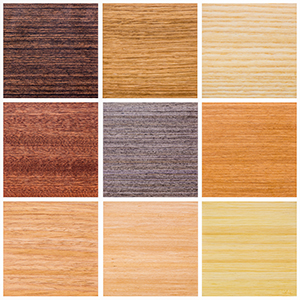
- Popular Colors: Whites, grays, blues, and natural wood tones are standout options and can create a unique look for your kitchen.
- Timeless Classics: Neutral tones that can adapt to various styles over time.
Finishes
- Painted vs. Stained: Painted finishes offer a sleek, modern look, while stained finishes highlight the natural beauty of wood.
- Specialty Finishes: Consider glazed, distressed, or high-gloss finishes for added character.
- Matching Styles: Ensure your cabinet finishes complement your kitchen's overall design.
Cabinet Door Styles
- Shaker: Clean lines and versatile appeal make this style popular.
- Flat-Panel: Sleek and modern, ideal for contemporary kitchens.
- Inset: Offers a classic, high-end look with the door set inside the frame.
Design Considerations
- Kitchen Layout: Optimize your kitchen's layout for functionality and workflow.
- Hardware Choices: Select knobs, pulls, and hinges that complement your cabinet style.
- Accessories: Include pull-out shelves, lazy Susans, and built-in organizers for convenience.
Keep in mind how your cabinet choice will pair with your countertops and flooring. Coordinating tones and finishes across these surfaces helps tie your whole kitchen together. For more inspiration, see our Good, Better, Best Cabinets guide.
Plan Kitchen Storage Around How You Use the Space
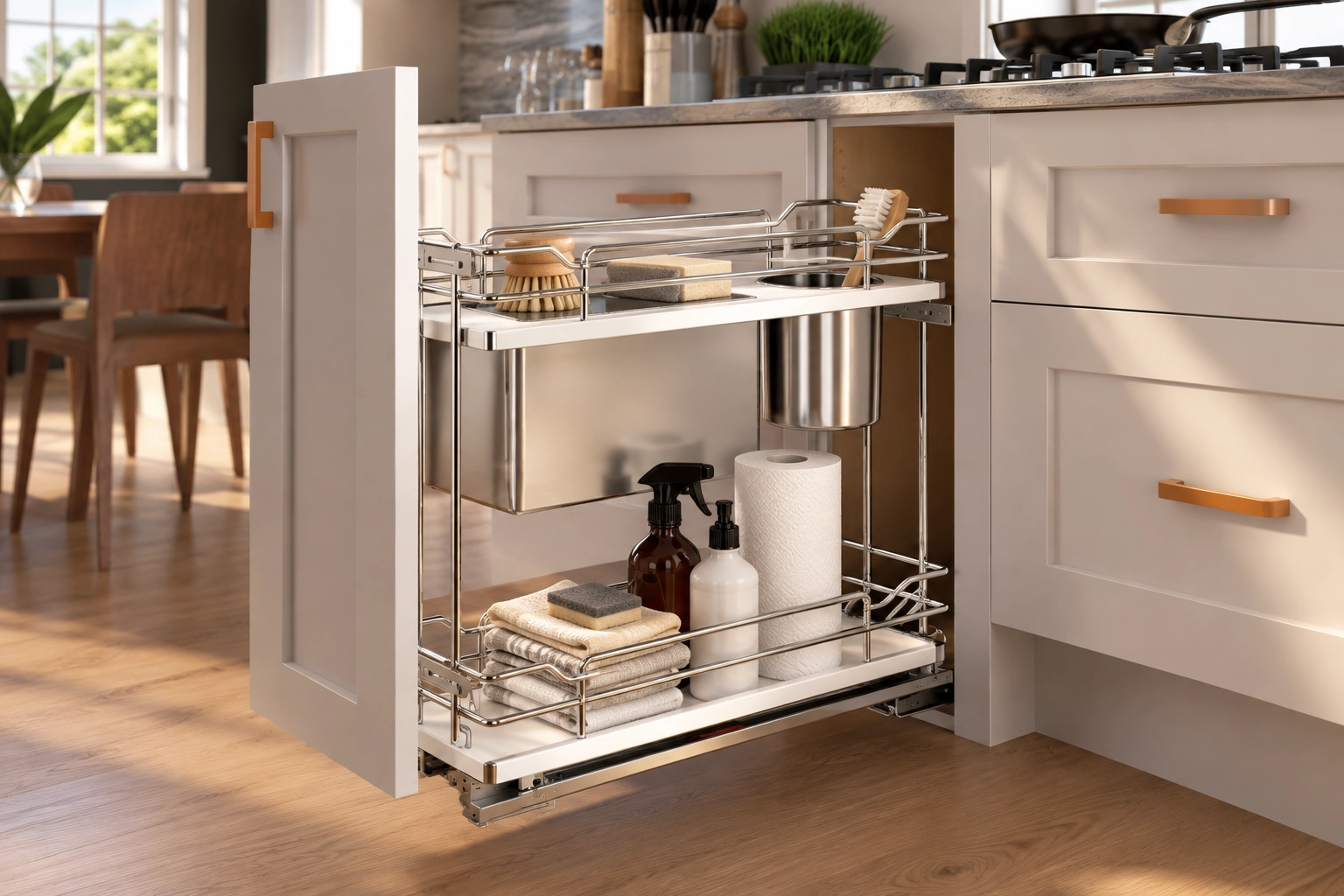
Storage needs vary by household. Before you finalize your cabinet layout, think about:
- Household Size: Larger households typically need more storage for dishware, pantry items, and small appliances.
- Cooking Habits: Frequent cooks may want deeper drawers or specialty storage for pots, pans, and utensils.
- Pantry Needs: A tall pantry cabinet can help centralize dry goods and snacks.
- Drawers vs. Cabinets: Drawers often make it easier to access items stored toward the back, while cabinets can offer more flexible storage for larger items.
- Frequently Used Appliances: Keep everyday appliances within easy reach, and consider an appliance garage to keep counters clear.
- Smaller Kitchens: Stacked cabinets, corner units, and pull-out organizers can help you make the most of a compact layout.
Set Your Kitchen Cabinet Budget
As mentioned earlier, your budget should account for the cabinets, hardware, accessories, and labor. But it's worth comparing overall value rather than price alone. When comparing options, weigh the construction quality, included features like soft-close hardware, expected durability, whether assembly is required, and if you'll need to purchase any additional components separately. A lower price tag isn't always the better deal once you consider these factors.
Kitchen Cabinet Buying Checklist
Before you place your order, run through this quick checklist:
|
✔ |
Confirm your kitchen measurements and appliance specifications |
|
✔ |
Establish your budget, including delivery, finishing components, labor, and contingency |
|
✔ |
Determine which cabinet options fits your project |
|
✔ |
Compare construction and materials |
|
✔ |
Choose your style and finish |
|
✔ |
Consider your storage needs |
|
✔ |
Confirm included hardware and features |
|
✔ |
Understand assembly and installation requirements |
|
✔ |
Confirm availability and lead times with your local store |
|
✔ |
Review your full kitchen design before ordering and verify clearances for doors, drawers, appliances, and walkways |
Start Planning Your Kitchen with Home Outlet
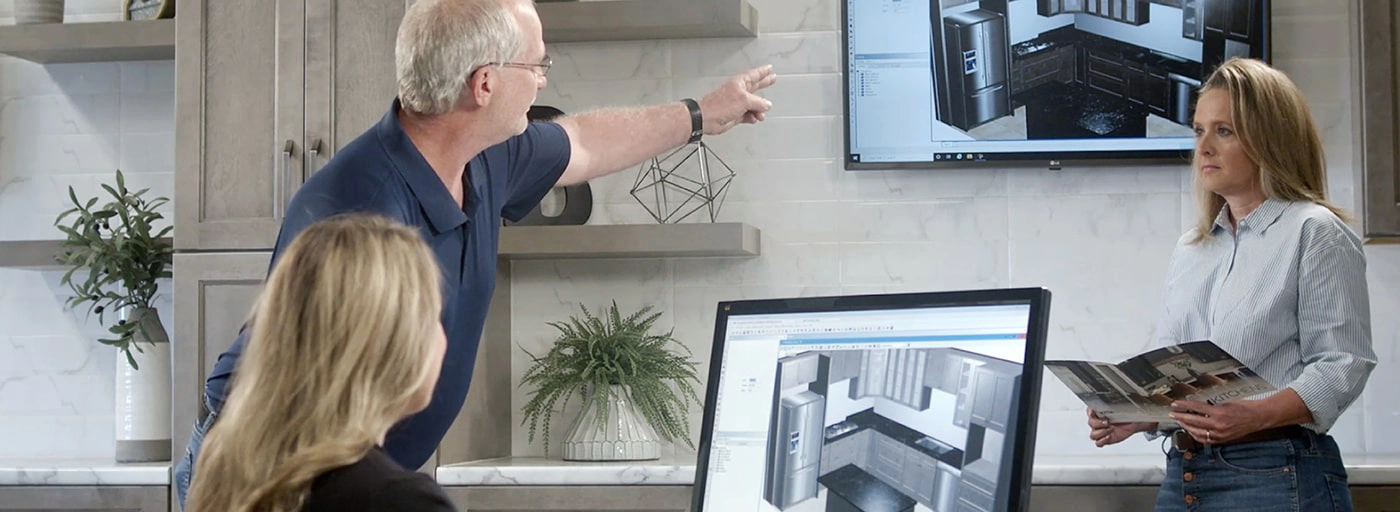
Are you feeling overwhelmed with your cabinet remodel? Home Outlet offers expert help and design services. Our team of professionals can assist you in choosing the perfect cabinets and creating a cohesive kitchen design.
Shop our kitchen cabinets or start a free kitchen plan today, and let one of our designers help with your layout, measurements, and cabinet selection.
Frequently Asked Questions
What should I know before buying kitchen cabinets?
Before buying kitchen cabinets, you should have a realistic budget, accurate kitchen measurements, a sense of your preferred style, and an understanding of your storage needs and timeline.
What should I look for in quality kitchen cabinets?
Look for sturdy cabinet box construction, plywood over particleboard where possible, quality hardware, soft-close features, and finished end panels for a polished look.
What are the different types of kitchen cabinets?
Common options include RTA, assembled, and unfinished cabinets, while stock, semi-custom, and custom describe different levels of standardization and customization.
How do I know what size kitchen cabinets I need?
Your kitchen cabinet sizes depend on your room measurements and layout. Measure the space carefully, including openings, appliances, and fixed features, before selecting cabinets.
How should I budget for kitchen cabinets?
Set a total project budget that considers cabinets, hardware, assembly or installation, and other required components. Compare overall value and included features instead of focusing only on the cabinet price.
