
Quartz vs Granite Countertops
Posted by Home Outlet Staff on 16th Jul 2026
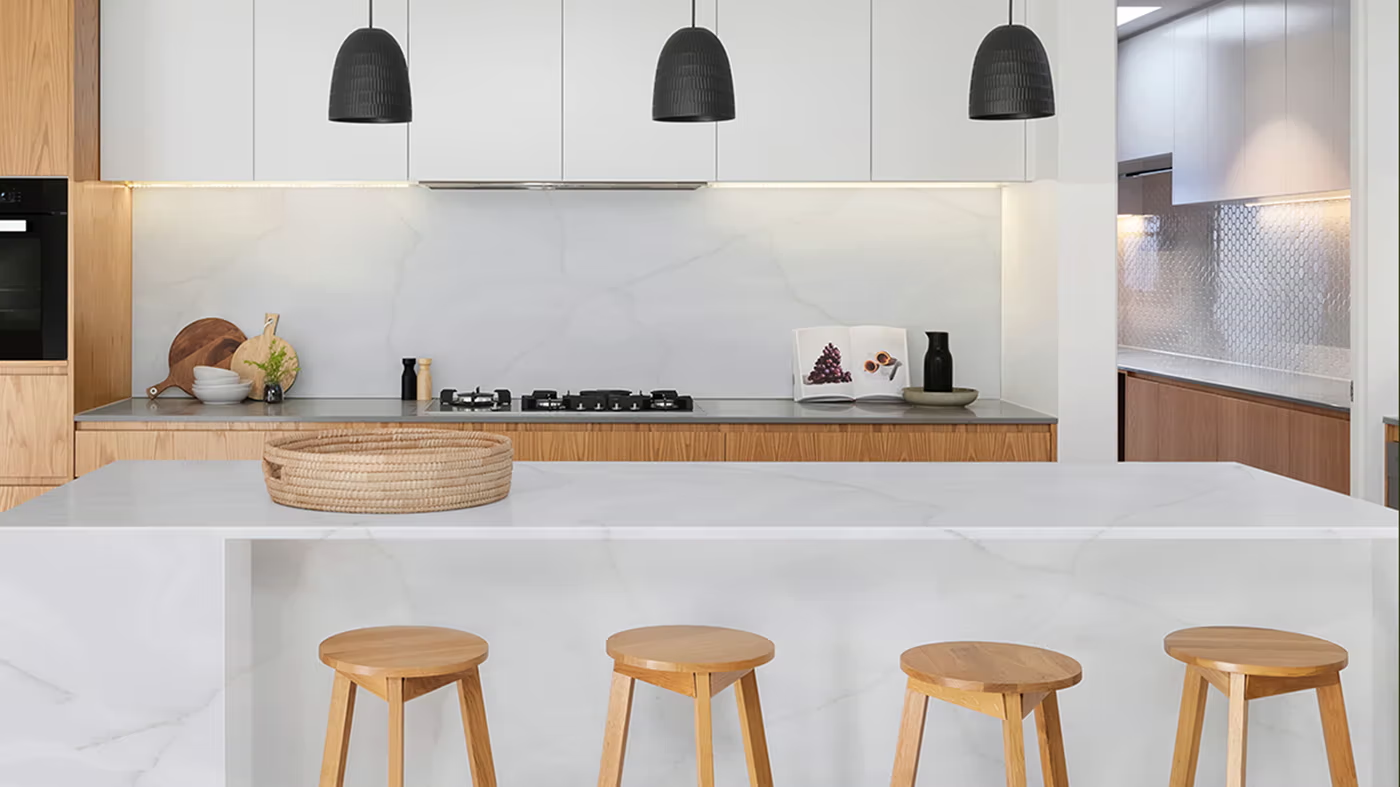
Quartz vs. Granite Countertops: Which Is Better for Your Kitchen?
Are you planning to put your tax refund to good use this year? Using your tax return can be a smart way to invest in your home while improving one of the most-used spaces in the house. If new countertops are part of your plan, you may find yourself comparing two of the most popular options on the market: quartz and granite. At first glance, both materials offer the durability, style, and visual impact homeowners want, but each one brings different strengths to the table.
This guide will walk you through the pros and cons of each material, helping you choose the right countertop for your upcoming home improvement project.
Key Takeaways
- Quartz countertops are engineered stone, offering consistent patterns and low maintenance.
- Granite countertops are 100% natural, featuring unique designs and high heat resistance.
- Quartz requires no sealing; granite needs annual sealing to prevent stains.
- Pricing for both materials is premium, but granite costs may vary more based on rarity.
- Choose quartz for uniform looks and ease of care; pick granite for natural beauty and durability.
What Are Quartz Countertops?
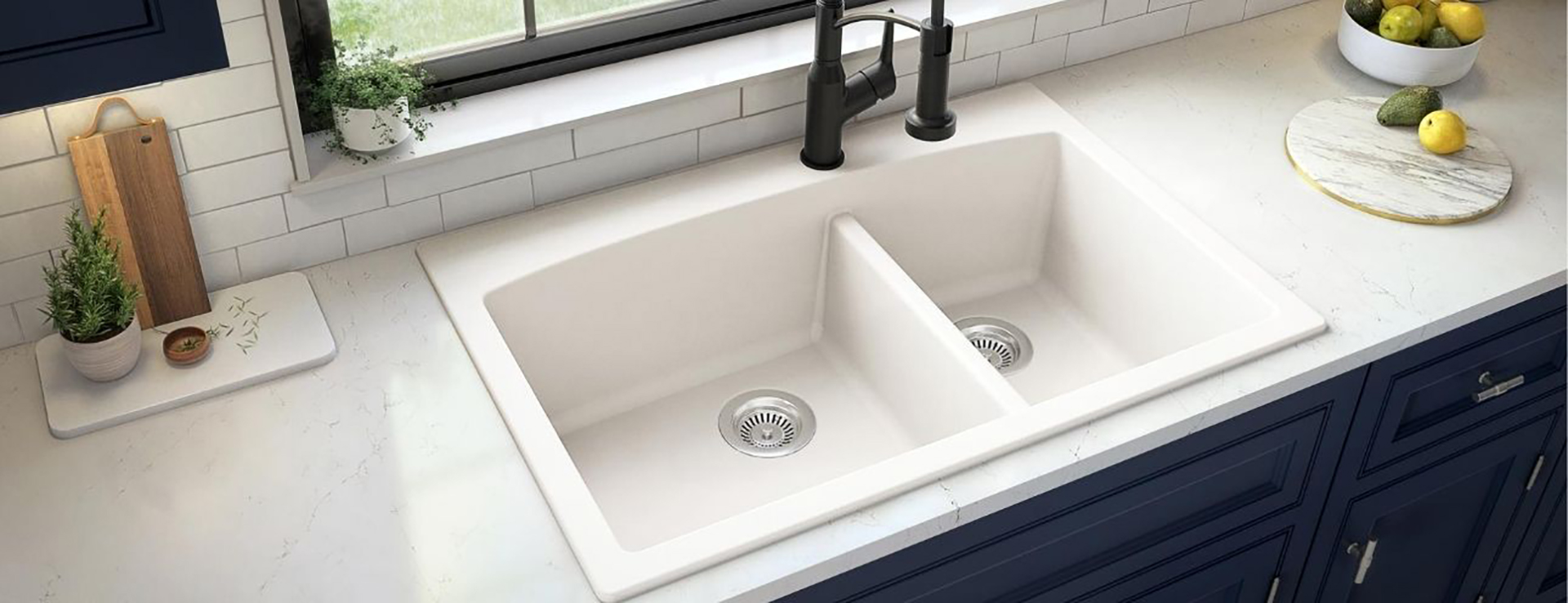
Quartz countertops are engineered stone surfaces. They’re manufactured by combining crushed natural quartz crystals with resin binders and pigments. This manufacturing process creates a highly durable, non-porous material that’s incredibly resistant to stains and bacteria. Because they’re engineered, quartz countertops are available in a wide variety of colors and consistent patterns, making them a versatile choice for modern and transitional kitchen designs.
What Are Granite Countertops?
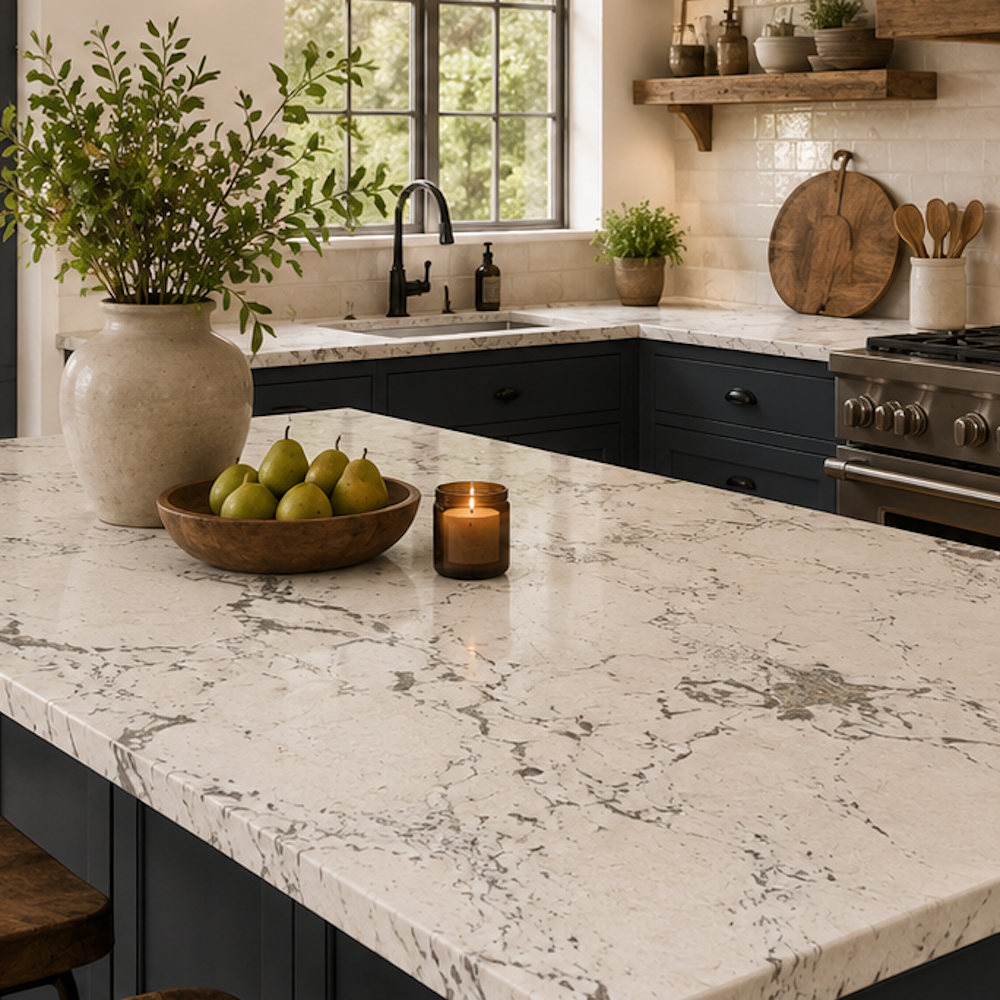
Granite is a 100% natural stone quarried directly from the earth, cut into slabs, and polished for residential use. Because it is a natural product, no two granite slabs are exactly alike. Each piece features unique veining, mineral spots, and color variations. Granite countertops are highly heat-resistant and exceptionally durable, bringing a one-of-a-kind, classic beauty to your space.
Quartz vs. Granite: Key Differences
To figure out which surface is right for your home, it helps to look at how they perform across a few specific categories.
Cost Comparison
When planning your kitchen budget, you will find that both materials are premium investments. Granite prices often fluctuate based on the stone's rarity, color, and origin. Quartz pricing is generally more predictable and depends primarily on the manufacturer and the design complexity.
Durability and Maintenance
Both materials are tough, but they handle daily wear and tear differently. Quartz is non-porous, meaning it never needs to be sealed and easily resists spills from coffee, wine, and oils. However, it’s slightly less heat-resistant than granite, so you will want to use trivets for hot pans.
Granite can easily handle heat and resists scratches beautifully. Because natural stone is porous, you do need to apply a sealer about once a year to prevent stains and keep the surface looking pristine.
Appearance and Style Options
If you prefer a uniform look, quartz is the winner. The manufacturing process allows for consistent colors and patterns, including options that closely mimic marble. If you love organic, earthy elements, granite offers unmatched natural beauty. Every granite slab serves as a unique piece of art for your kitchen.
Here’s a quick comparison chart to help highlight the differences between quartz and granite countertops.
|
Feature |
Quartz Countertops |
Granite Countertops |
|
Material |
Engineered stone (quartz + resin) |
100% Natural stone |
|
Maintenance |
Low (no sealing required) |
Moderate (requires annual sealing) |
|
Heat Resistance |
Good (trivets recommended) |
Excellent (highly heat-resistant) |
|
Appearance |
Consistent patterns and colors |
Unique, one-of-a-kind variations |
|
Porosity |
Non-porous (stain-resistant) |
Porous (needs sealing to prevent stains) |
Is Quartz Cheaper Than Granite?
The costs are often very comparable. While entry-level granite can sometimes be more affordable than engineered quartz, high-end, rare granite slabs will typically cost more. Ultimately, the final price tag for either option will depend on the specific style you choose, your square footage, and edge finishes.
Choosing the Right Countertop for Your Kitchen
So, is quartz better than granite? The answer depends entirely on your lifestyle and design preferences. If you want a low-maintenance, modern surface with consistent coloring, quartz is a fantastic choice. If you prefer the unique characteristics of natural stone and don’t mind a simple yearly sealing routine, granite will serve you beautifully for decades.
Ready to start your tax return project? Explore our kitchen remodeling guides and cabinet articles at Home Outlet for more inspiration.
