
Shaker Cabinet Style Guide
Posted by Home Outlet Staff on 15th Sep 2026
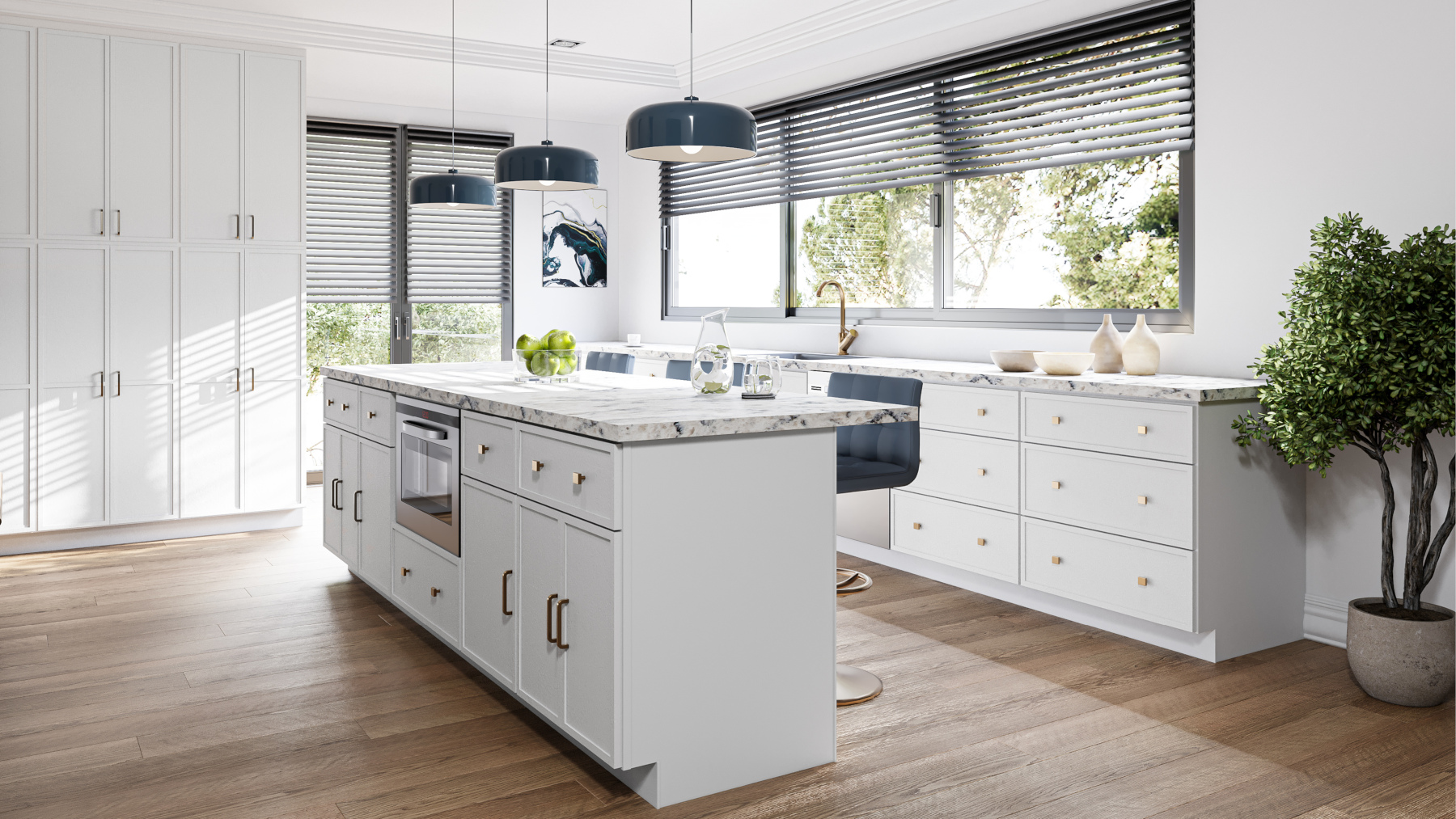 Shaker Cabinet Style Guide
Few cabinet-door styles hold up as well across different kitchens as the shaker cabinet. Whether your kitchen leans traditional, modern, or somewhere in between, the shaker profile tends to work well.
This guide explains what sets the shaker profile apart, how traditional and slim variations compare, and how to choose the right fit for your space.
What are shaker cabinets?
A shaker cabinet door is defined by these structural elements: two vertical stiles (the sides of the door frame), two horizontal rails (the top and bottom of the frame), and a flat, recessed center panel. Together, these five pieces create the door’s characteristic frame-and-panel construction. No curves, no raised detailing, and minimal ornamentation
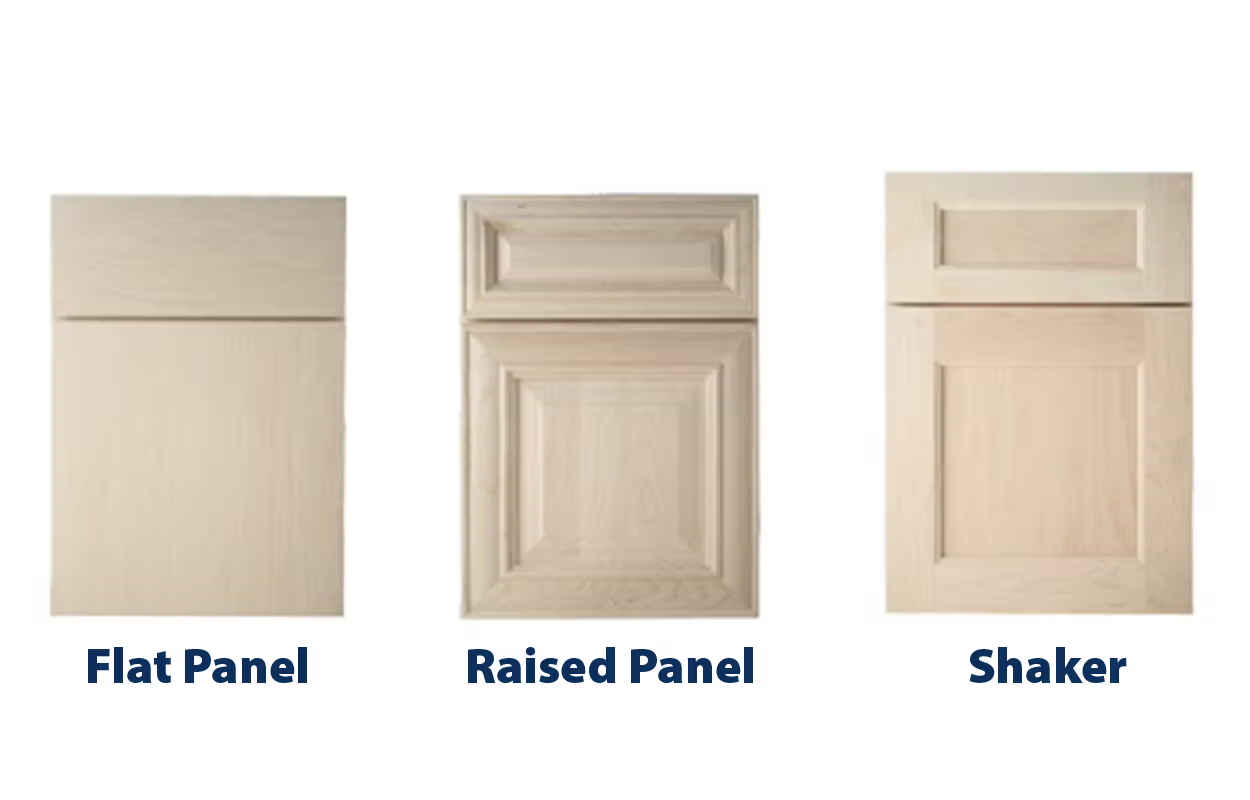
The result is a door profile that's structured but understated. The flat center panel sits cleanly within the frame, and the overall look is tidy without feeling plain.
It's worth noting that "shaker" refers specifically to the cabinet-door profile, not to a material, construction method, finish, or color. A shaker door can be painted white, stained in a natural wood tone, or finished in deep navy. The profile stays consistent regardless of how the cabinet is finished.
Traditional vs. Slim Shaker
Both styles share the same core construction, but the proportions differ, and that difference noticeably affects the overall look of your kitchen.
Stile Width
Traditional shaker cabinets feature stiles and rails that typically range from 2¼ inches to 3½ inches wide. The wider frame creates a more defined border around the center panel, giving the door a solid, classic feel.
Slim shaker cabinets (sometimes called skinny shaker) have stiles and rails that are noticeably narrower, sometimes as slim as ½ inch, depending on the manufacturer. The narrower frame allows for a much larger center panel relative to the overall door size.
Modern vs. Classic Appearance
The width of the frame directly influences the visual style of the cabinet.
Wider stiles and rails read as more traditional. The proportions echo classic furniture-making conventions, and they pair well with warmer finishes, natural wood tones, and hardware with some visual weight.
Narrower stiles and rails feel more contemporary. With fewer frames and more panels, the door takes on a flatter, more streamlined look that suits modern and transitional kitchens. Slim shaker cabinets often look at home alongside handle-less hardware, integrated appliances, and neutral color palettes.
Which should you choose?
- Choose traditional shaker if your kitchen leans toward farmhouse, cottage, or classic design, or if you prefer a warmer, more substantial look.
- Choose slim shaker if your kitchen has a modern or transitional feel, or if you want a cleaner, less structured appearance.
Why Shaker Cabinets Remain Popular
Shaker cabinets have maintained their popularity because they don't compete with the rest of your kitchen. They serve as a neutral foundation that lets countertops, hardware, lighting, and color do their work without interference.
Here's what makes them a consistent favorite among homeowners and designers alike:
- Versatility: Shaker cabinets work in farmhouse, traditional, transitional, and modern kitchens. Very few other cabinet styles can make that claim.
- Timelessness: Unlike trend-driven styles that can feel dated quickly, shaker's clean geometry holds up across decades of design cycles.
- Ease of maintenance: The flat center panel and simple profile are straightforward to wipe clean. There are no carved details or deep grooves to trap grease or grime.
- Paintability: The flat panel takes paint evenly and cleanly, making shaker cabinets a practical choice if you plan to paint now or repaint later.
- Wide availability: Because shaker cabinets are so common, they're available across a broad range of price points, finishes, and materials, including ready-to-assemble (RTA) options and unfinished cabinets for those who want to customize their finish.
Choosing the Right Shaker Style for Your Kitchen
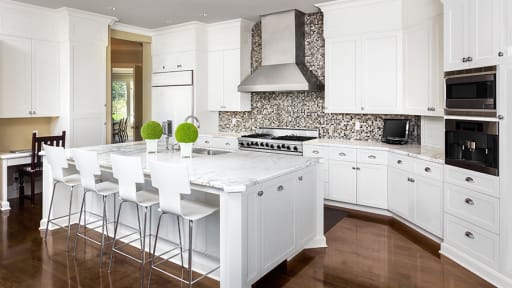
Keep these considerations in mind when choosing the right shaker style for your kitchen:
- Consider your kitchen's overall design direction: A kitchen with shiplap accents, farmhouse sink, and warm-toned floors is a natural fit for traditional shaker in white, cream, or a soft sage. A kitchen with flat-front appliances, polished concrete countertops, and minimal accessories calls for a slim shaker profile in a muted or bold solid color.
- Think about your color plan: Shaker cabinets take paint well, but the profile affects how the color reads in the space. Wider stiles create more shadow lines, adding subtle dimension. Slim shaker in a single solid color reads flatter and more graphic, which can be a strength or a limitation depending on your design goals.
- Factor in your hardware choices: Traditional shaker pairs naturally with cup pulls, round knobs, and hardware with some visual mass. Slim shaker tends to work better with bar pulls, minimal hardware, or even push-to-open systems for a fully streamlined look.
- Don't overlook finish options: Unfinished shaker cabinets give you full control over the final color and sheen. This is a good option if you're working with a specific paint color or want to match existing cabinetry precisely.
Complete Your Kitchen Design
Shaker cabinets give you a solid, flexible starting point, but they work best when the rest of your design choices are aligned. Hardware finish, countertop material, flooring tone, and paint color all play a role in whether the final result feels intentional or like it was assembled by chance.
If you're still working through those decisions, Home Outlet's design team can help. Browse Home Outlet's full shaker cabinet collection and find a style that fits your kitchen, or start a free kitchen plan online and get a 3D layout from an experienced designer.
Frequently Asked Questions
What are shaker cabinets?
A shaker cabinet door features a flat center panel framed by two horizontal rails and two vertical stiles. The result is a clean, structured door profile that works across a wide range of kitchen styles.
What's the difference between traditional and slim shaker cabinets?
Traditional shaker doors have wider stiles and rails, giving them a more classic and substantial appearance. Slim shaker doors use narrower framing, which creates a cleaner, more streamlined look.
Are shaker cabinets still in style?
Shaker cabinets remain widely used because their simple construction adapts well to both classic and modern kitchen designs. How current they feel depends largely on the color, hardware, and surrounding finishes you choose.
What kitchen styles work best with shaker cabinets?
Shaker cabinets commonly work in traditional, transitional, farmhouse, modern, contemporary, craftsman, cottage, and Scandinavian-inspired kitchens. The profile is flexible enough to complement a wide range of design directions.
Can shaker cabinets be painted?
Many shaker cabinets, especially unfinished or paint-grade products, can be painted. Confirm the cabinet material, finish, and preparation requirements before starting to get the best results.
